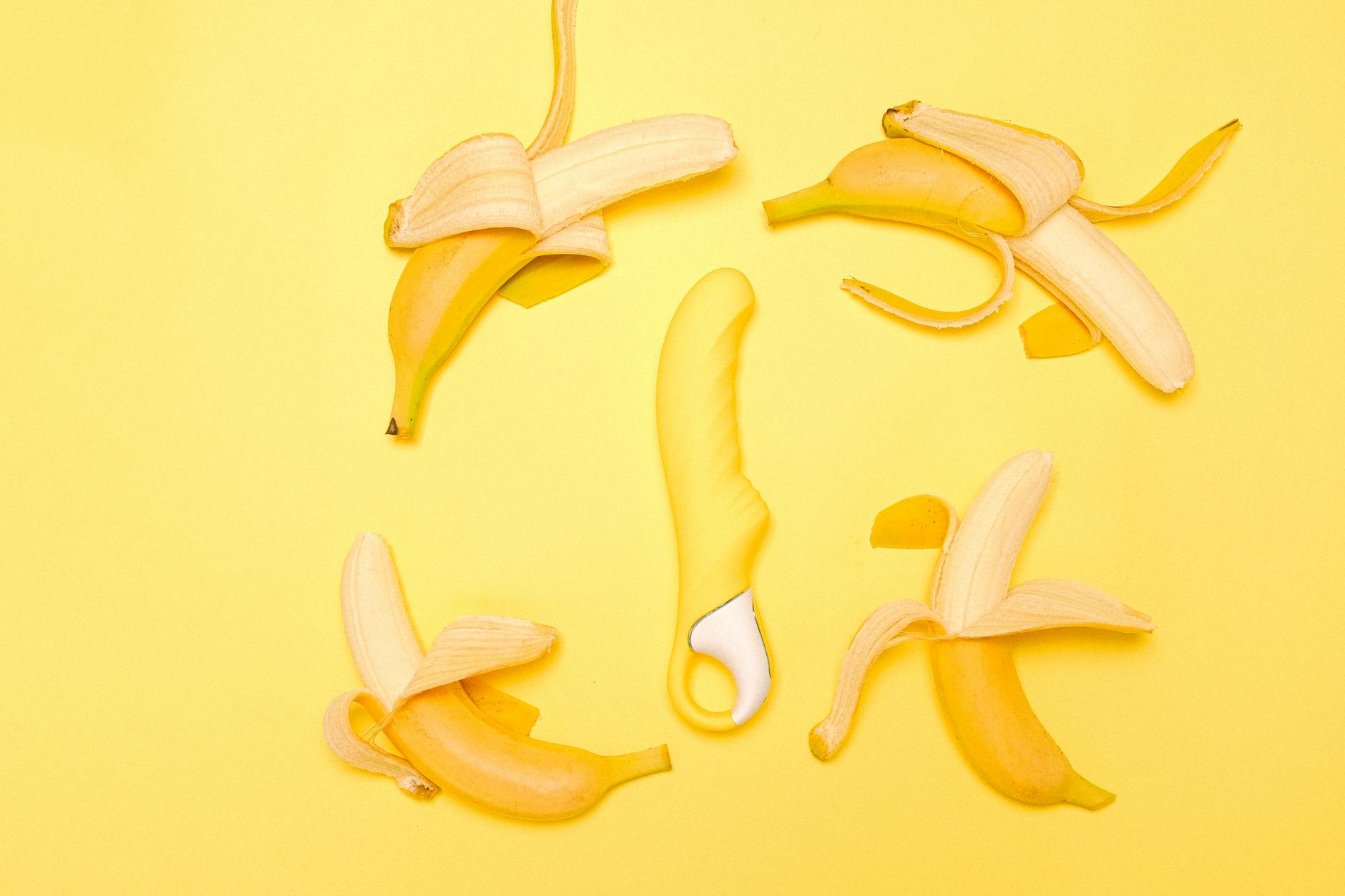
You've probably heard people talk about lemon vibrators and air-suction stimulation like it's some kind of magic versus regular vibrators. Here's the thing: it's not magic. It's just physics, and understanding the difference matters because one might genuinely work better for you than the other. Not because one is "better" in general, but because they stimulate your body in measurably different ways.
I'm going to walk you through what's actually happening when you use a lemon suction-style device versus a traditional clitoral vibrator. Once you understand the mechanics, you'll know which approach is worth exploring for your body.
A traditional vibrator moves side to side or up and down, typically 50 to 200 times per second depending on the pattern and intensity setting. When you apply this directly to your clitoris, the rapid movement stimulates surface nerves. It's direct pressure plus motion, which creates a very recognizable sensation for anyone who's used a vibrator before.
The clitoris has roughly 8,000 nerve endings concentrated in the glans (the external part). Traditional vibration excels at triggering these surface nerves quickly. For many people, especially those with moderate to high baseline sensitivity, this creates fast, straightforward arousal and orgasm.
But here's where sensitivity matters. If your clitoral tissue is thin, healing from previous irritation, or naturally more sensitive to direct pressure, repeated vibration can feel either overwhelming or actually become less effective over time. Some people report needing more intensity as they adapt, which is the opposite of what they want.
A lemon vibrator uses air-pulse technology, which works through gentle suction and release cycles rather than direct oscillation. Instead of vibrating back and forth, the device creates a rhythmic pattern of vacuum pressure. This stimulates not just the surface nerves but the entire clitoral structure, including the internal branches you can't see.
The clitoris isn't just the small external bump. It's a wishbone-shaped organ with arms that extend internally. Traditional vibration mainly reaches the glans. Air-suction reaches deeper tissue, which means it engages nerves at different depths simultaneously.
This matters for sensitivity. People who've experienced overstimulation from vibration often find that air-suction feels gentler initially, even on higher intensities. The sensation is more of a gentle pulling or massaging rather than a buzzing. Many people describe it as deeper and more full-bodied.
Think of it this way. Vibration is like tapping on a door. Suction is like drawing the door toward you gently. Both can get a response, but they get different responses.
If your clitoris is sensitive to touch or pressure, a vibrator might feel too intense or too localized. You can adjust the intensity, sure, but the fundamental sensation is still impact-based. With a lemon suction device, you're distributing pressure across a wider area, which can feel less sharp and more encompassing.
Sensitivity also changes. If you've been using vibrators for years, your nerve endings adapt. That's called habituation. You might notice that you need higher intensities to feel the same effect, or that sensation starts to feel numb or localized rather than building toward arousal. Switching to air-suction can reset that adaptation because you're using a completely different stimulation pattern. Your nerves haven't built tolerance to this exact sensation yet.
Here's what nobody tells you: they're tools for different moments.
Some days, direct vibration is exactly what you want. You know the sensation, you trust it, it works. Other days, especially if you're sore, healing, or burnt out on vibration, a lemon clitoral vibrator's suction approach might unlock an orgasm that vibration couldn't that day.
Many people with vulvas find that starting with suction creates arousal, and then switching to vibration toward the end brings orgasm faster. Or vice versa. Your pleasure response isn't binary. You're not locked into one type of stimulation forever.
For people managing chronic pain, pelvic floor tension, or trauma responses, suction often feels less threatening than vibration because it's less percussive. If you have vaginismus or pelvic floor dysfunction, vibration against an already tense floor can create more tension. Suction's gentler pull-and-release pattern can actually help the pelvic floor relax.
There are specific scenarios where the lemon suction approach outperforms traditional vibration consistently.
First, if you have post-menopausal vaginal changes or hormonal shifts that thinned your tissue. Air-suction doesn't require the same friction and impact pressure, so it's less likely to cause irritation or discomfort. You're getting stimulation without the mechanical grinding that can hurt thinner tissue.
Second, if you're dealing with desensitization. As I mentioned, habituation is real. If vibration has stopped feeling like much of anything, suction hits different neurological pathways. People often report that sensation returns almost immediately when they switch to a lem vibrator after years of traditional vibration.
Third, if speed matters. Some people with clitoral erectile dysfunction or delayed orgasm struggle to reach climax with vibration because the stimulation doesn't create enough complex sensation. Suction's deeper, more encompassing action often builds arousal faster, especially for people with higher baseline arousal thresholds.
Finally, if you're sensitive to buzz frequency. Vibrators create a specific audio and tactile buzz that some brains find annoying or overstimulating. Air-suction is nearly silent and creates a completely different rhythm. If you're someone who finds vibrator buzz distracting, this alone might change the experience.
Here's what I ask my clients: where are you numb, and where are you overwhelmed?
Most people aren't uniformly sensitive. You might be numb to light touch but overwhelmed by intense vibration. Or vice versa. A lemon clitoral vibrator's range is different. The low settings are often gentler than a traditional vibrator's low settings. The high settings feel different too. not necessarily "more intense" but more encompassing.
Sensitivity isn't a fixed trait. It changes with hormones, stress, medications, arousal level, and whether you've had adequate warm-up time. If you're using vibration without enough foreplay, your tissue isn't engorged, and you're basically vibrating an under-aroused body. Of course it feels numb or rough. Air-suction actually handles that scenario better because it's designed to work with less initial engorgement.
Studies comparing suction and vibration are limited, but the patterns are clear. People report:
A preference for suction when dealing with sensitivity issues or previous negative experiences with vibrators. Better orgasm quality (described as deeper, more full-body) with suction versus faster orgasm onset with vibration. Less numbness and habituation with suction when used regularly. Ability to use suction for longer periods without discomfort.
One small study of people with low sensitivity or orgasm difficulty found that air-suction devices produced orgasm in people who had never achieved it with vibrators. That's not a huge sample, but it's telling. If vibration hasn't worked for you, suction is genuinely worth trying, not as an alternative, but as a different tool for your body.
If you're wondering whether a lemon suction device might work better for your sensitivity than a traditional vibrator, start with low intensity. Let yourself get fully aroused first. Ten to fifteen minutes of foreplay minimum. Don't expect the device to do all the work.
Notice what feels different. Is the sensation less sharp? More rounded? Does your clitoris feel engaged differently? Are you noticing sensation that vibration usually numbs? That's the real test. Not whether it makes you orgasm faster, but whether it feels more accessible to your body as it is right now.
Many people find that lemon vibrators work better with lubricant too, because suction creates more friction than vibration. Water-based lube is the move. And remember: longer warm-up times, starting low, and patience make a bigger difference than the device itself.
Your sensitivity isn't broken. You might just need a different kind of stimulation.
Yes, absolutely. In fact, sensitive skin often responds better to air-suction than to traditional vibration. Because suction doesn't create the same friction or impact, it tends to feel gentler on delicate tissue. If you have vulvodynia, post-menopausal thinning, or generally reactive skin, start with the lowest setting and use water-based lubricant to reduce any friction. Most people find that suction, even on moderate settings, feels less irritating than vibration on moderate settings.
It's one of the most common reasons people try air-suction devices, and the success rate is high. Nerve endings adapt to repeated stimulation through a process called habituation. When you switch to a completely different stimulus pattern, your nerves essentially reset. Even if you've used vibrators for years, lemon suction can feel brand new. That said, taking breaks from all devices for a few weeks can also help reset sensitivity. But if you want to keep exploring, suction is the logical next step.
Not universally, but for certain bodies and scenarios, yes. Vibration tends to create faster orgasm in people with high baseline sensitivity. Suction tends to create fuller, more intense orgasms in people with lower baseline sensitivity or who've struggled with numbness. If you want the best of both, many people use suction for arousal and switch to vibration for the finish. The combination works for lots of people.
Not quite. A vibrator's intensity is about how fast it's oscillating. A suction device's intensity is about how strong the vacuum pressure is. They feel completely different at equivalent intensity levels. What feels like moderate suction is often gentler than what feels like moderate vibration. This is actually why suction works better for sensitive bodies. You can get more sensation without the same aggressive feeling.
Most people adjust within three to five uses. The first experience might feel strange or unfamiliar. That's normal. Your brain is learning a new sensation. Stick with it through at least the second use before deciding if it's for you. Often, people find that the second or third time feels dramatically better because they know what to expect.
Yes. If you have low baseline clitoral sensitivity, numbness, difficulty with orgasm, pelvic floor tension, or previous bad experiences with vibrators, a lemon clitoral vibrator is genuinely worth trying first. You can always try traditional vibration later, but if sensitivity is your concern, suction addresses the root issue more directly. Many people's sensitivity struggles improve immediately with this switch.
Suction and vibration aren't better or worse in the abstract. They're different tools that work on different neural pathways. For sensitivity issues, suction typically wins. For people seeking straightforward, fast stimulation, vibration often works. For most of us, having both options gives us flexibility to match the tool to what our body needs that day.
Your sensitivity is information, not a problem. Listen to it, and choose the method that feels right.