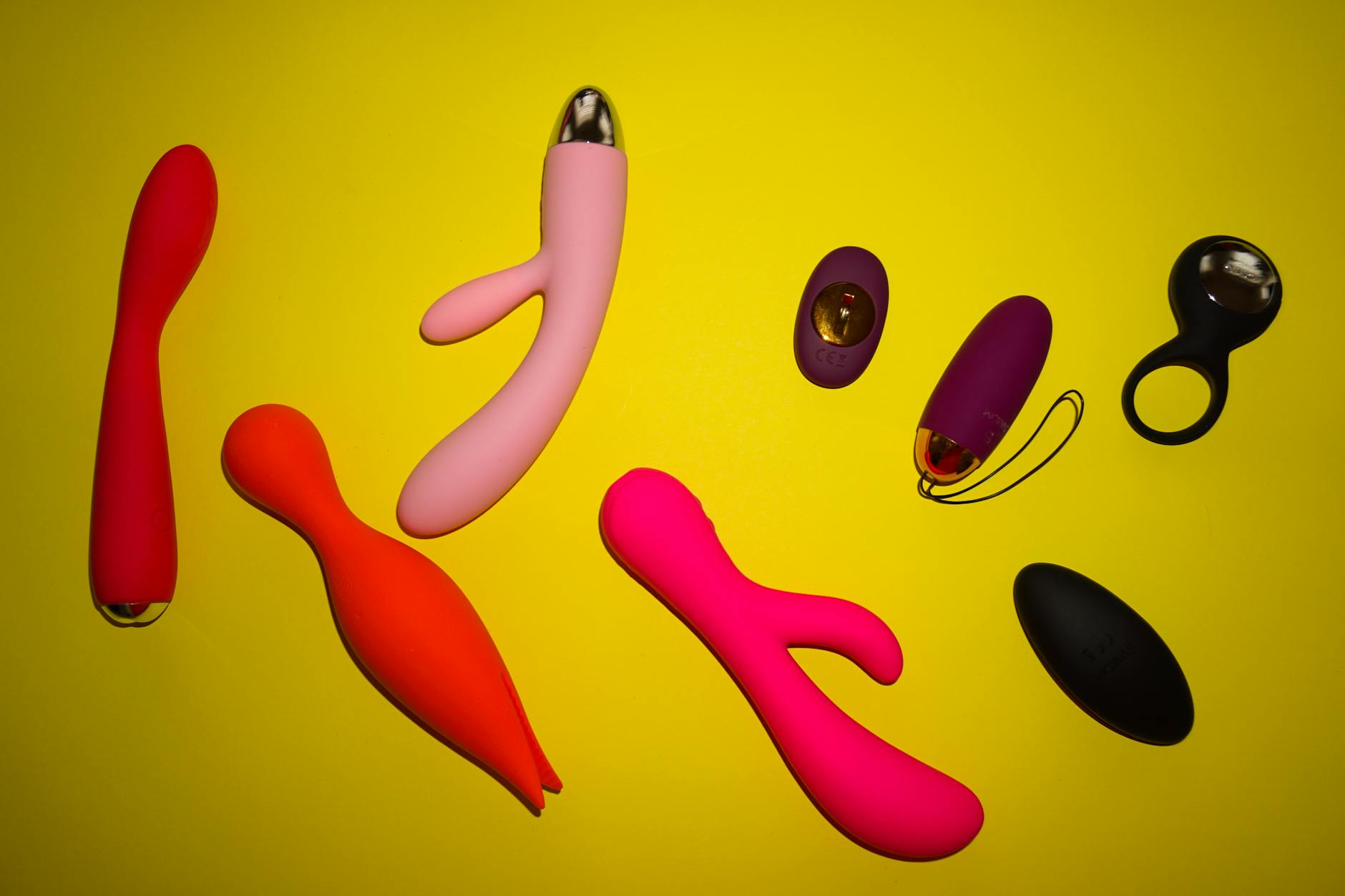
How to Use a Lemon Clitoral Vibrator After Hysterectomy or Gynecological Surgery
Your body has been through something. Here's what changes after surgery, when it's actually safe to return to pleasure, and how a lemon vibrator fits into recovery.
Hysterectomy and gynecological surgery are medical events, but the conversation stops once you're cleared for exercise and penetrative sex. What about pleasure? What about the part of your body that has nothing to do with the surgical site but somehow feels completely altered? That gap is why I'm writing this.
Your clitoris wasn't touched during surgery. Your pelvic nerves remain intact. And yet something feels different. You're not imagining it. Here's what's actually happening, and what it means for using a lemon vibrator safely and well.
Your surgeon probably cleared you for sex at 6 weeks. That's medically sound for wound healing. It tells you nothing about readiness for an external clitoral vibrator, which is a completely different threshold.
Why? Because penetrative sex involves a partner and ongoing stimulation that can feel grounding and distracting. A lemon vibrator is a focused conversation with one part of your body, and after surgery, that part needs gentler introduction.
Most surgeons will tell you basic clitoral stimulation is fine whenever you feel ready after bleeding stops. That's technically true. But "fine" doesn't mean optimized. For the first 8 to 12 weeks after surgery, your pelvic floor is swollen, your tissue is still remodeling, and the nerves are firing differently than they did before.
I recommend waiting at least 8 weeks before introducing a lemon vibrator, even on the lowest setting. If you're experiencing significant post-surgical swelling or pelvic floor tension, extend that to 12 weeks. Your body will tell you when it's ready. Patience now prevents setbacks later.
Hysterectomy removes the uterus and sometimes the cervix. It does not remove the clitoris, the vulva, or the nerve pathways that drive pleasure. But it does alter the pelvic architecture in ways that affect how sensation travels through your body.
The uterus is anchored by ligaments that brace your pelvic organs. Remove it, and the remaining structures settle into a slightly different position. This is minor anatomically but significant neurologically. Your clitoris and vulva may feel less "anchored" than before, which some people experience as numbness and others as hypersensitivity. Both are normal.
The clitoral nerves are also affected by postoperative swelling, scar tissue formation, and pelvic floor tension. Many people report that the first few months after surgery feel like they're using a clitoral vibrator through a thick fog. Stimulation that felt vivid and immediate now feels distant or muted. This shifts as swelling resolves, usually by week 12 to 16.
If you've had a vaginal hysterectomy, the vaginal tissue is more directly affected and heals more slowly than abdominal tissue. If you've had a laparoscopic or open hysterectomy, the vagina is untouched, but the pelvic structures it anchors are altered. Both pathways lead to different recovery curves for pleasure.
After surgery, your pelvic floor clenches. This is protective and unconscious. Your body is saying "we've been invaded, let's hold everything tight." That tension persists far longer than most people expect. Eight weeks post-surgery, your pelvic floor is often still significantly hypertonic, even if you feel physically healed.
A tight pelvic floor dampens clitoral sensation dramatically. It's like trying to feel a vibration through a fist instead of an open hand. Many people interpret this as permanent loss of sensation and stop trying. It's not. It's reversible, but it requires deliberate work.
Before you use a lemon vibrator after surgery, spend 2 to 3 weeks doing gentle pelvic floor releases. Box breathing coordinated with pelvic floor drops. Slow stretching. Warm baths. If you have access to pelvic floor physical therapy, this is the moment to invest. A skilled PT can accelerate healing and restore sensation far faster than waiting it out.
When you're ready to return to a clitoral vibrator, a lemon vibrator is an excellent choice because the suction mechanism is gentler than direct vibration on newly sensitive tissue.
Start with the lowest pattern. For the Lem, that's pattern 1. Use it for no more than 3 to 5 minutes in your first session. You're not aiming for orgasm. You're reintroducing your body to the sensation and teaching your nervous system that pleasure is safe again.
Apply generous water-based lubricant. Even if you didn't need it before surgery, you probably need it now. Pelvic surgery affects blood flow to the tissue temporarily, which reduces natural lubrication. A good lube isn't a crutch; it's a tool that prevents friction irritation on delicate post-surgical tissue.
Position yourself in a way that requires zero pelvic floor tension. For most people, that means lying on your back with knees bent and pillows under your hips. Avoid positions where you're clenching to support your weight. Your only job is to receive sensation.
If the vibration feels muted, that's swelling and pelvic floor tension, not permanent damage to your nerves. Don't chase intensity. Lower pattern, more lube, longer warm-up. Let sensation return on its own timeline.
If you feel sharp pain or significant discomfort, stop and wait another 2 weeks. Pain is your body's way of saying it's not ready. Pushing through causes inflammation that delays healing.
Hysterectomy often arrives bundled with grief, even if the surgery was necessary. Your body worked a certain way for decades, and now it works differently. Some people grieve the loss of menstruation. Others grieve the symbolic loss of fertility. Many grieve simply the version of their body they knew.
That grief sits in your nervous system and makes pleasure harder. Your body isn't broken. Your mind is processing a significant change. If you're struggling to feel pleasure after surgery, some of that is tissue healing. Some of it is that your nervous system is in a higher-stress state than it was before.
This is not something a lemon vibrator can solve alone. It's something you can solve by acknowledging the loss, moving your body (gentle walking, stretching, swimming), and potentially working with a therapist who specializes in medical trauma or life transitions. The pleasure comes back when the grief gets space.
If you're 12 weeks out and sensation still feels completely absent, mention it to your surgeon or gynecologist. Rarely, surgical injury to the clitoral nerve can reduce sensation permanently. This is uncommon but worth ruling out.
If you feel pain or burning when using a clitoral vibrator, it may indicate an area of scar tissue that's irritated. Your surgeon can assess and potentially refer you to pelvic floor physical therapy.
If orgasm feels completely impossible, hormonal shifts related to surgery might be at play. Some surgeries trigger earlier menopause or hormone fluctuations. Discussing this with your doctor can clarify whether hormonal support would help.
The goal isn't to return to your pre-surgery baseline. It's to build a new baseline that honors what your body has been through. That might mean discovering that a lemon vibrator feels different now. You might prefer different patterns, lower intensity, or longer warm-up time. That's not regression. That's adaptation.
Many people find that their most satisfying orgasms after hysterectomy come several months in, once swelling has resolved, pelvic floor tension has released, and they've grieved the shift. Your body is resilient. Recovery is possible. And pleasure is absolutely part of the recovery process, not something you sacrifice for it.
Ready to reconnect at your own pace? Start with patience, good lube, and the lowest setting. Your body will guide you from there.