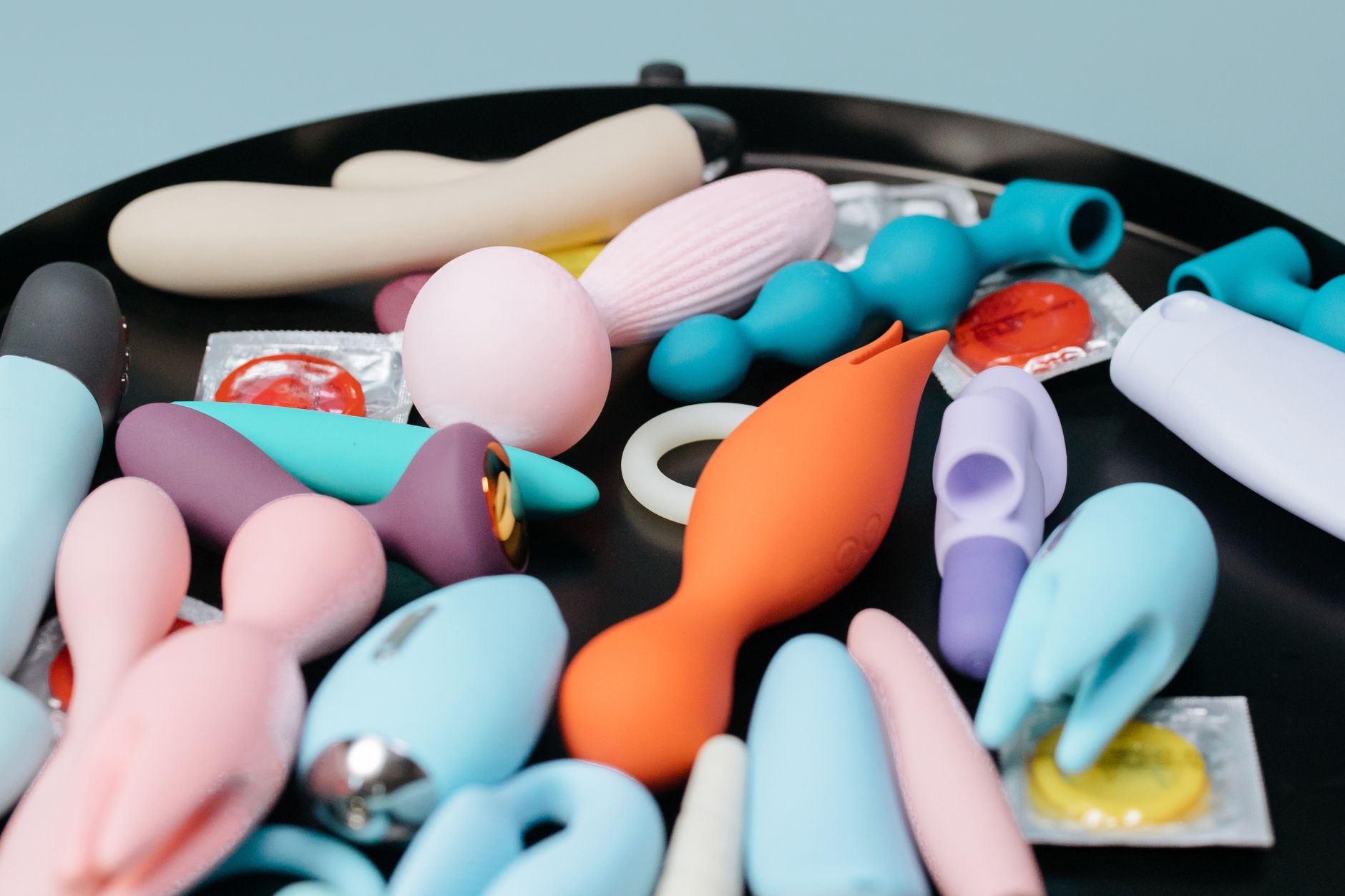
Here's what I hear from couples all the time: one person wants to introduce a toy, the other worries it means their touch isn't enough. Or vice versa. Someone brings up a lemon clitoral vibrator and suddenly it feels like criticism. That anxiety is so normal it's basically universal. The good news is that it's also completely fixable with a different conversation structure.
Integrating a lemon vibrator into your couples routine isn't about adding something your partner can't do. It's about expanding what the two of you can do together. That frame shift matters more than any technique.
Don't introduce the tool first. Introduce the idea first.
Pick a time that's neutral, not in bed and not mid-argument. "Hey, I've been reading about clitoral vibrators and I'm curious about trying one. Would you be open to exploring that together?" Simple. No preamble, no apology.
Then listen to their reaction without defending. If they say "Sure," great. If they seem hesitant, ask why. Common worries: "Will I become unnecessary?" "Does this mean our sex life isn't working?" "Will it feel weird to watch?" These aren't objections. They're questions that deserve straightforward answers.
Answer honestly. A lemon vibrator does something your hands don't do. That's the point. It doesn't replace you. Neither of you can orgasm by telepathy alone, but you both benefit when there are more tools in the box. I often tell couples: vibrators are to sex what dishwashers are to kitchens. You don't need one. But once you have one, you wonder why you waited.
Expect a learning curve. The person receiving should be clear about what they want to feel (suction versus vibration, speed, position). The person partnering should feel some version of "Am I doing this right?" That's normal. You're learning something new together.
Start with the person receiving using the lemon vibrator solo while the partner watches and touches elsewhere. This removes the pressure for it to "work" on someone else's timeline. You'll learn how the device feels against your skin, what settings you prefer, and what rhythm works. Your partner learns by observation, which is actually the best way.
After a few solo rounds, experiment with your partner using it on you. Let them try different angles, speeds, and positions. Not during orgasm necessarily. Just exploration. This removes performance anxiety and lets you both get comfortable with the physical reality of it.
The mistake most couples make is treating the vibrator like it replaces partner contact. It doesn't. The vibrator does one job. Everything else is partnership.
Here are positioning options that work:
Facing each other. Person A lies back, person B kneels between their legs, one hand on the vibrator and one hand somewhere on their partner's body. Chest, thigh, face. Touch matters. You can kiss. You can maintain eye contact. The vibrator becomes background, not the whole show.
From behind. If one partner enjoys penetration, the person with the vibrator can be against them from behind, vibrator on front, their body wrapped around their partner. This feels more integrated than parallel.
Side by side. Both partners lie on their sides facing the same direction. The person receiving uses the vibrator (or their partner does) and the other person's hands and mouth are free to touch the back, shoulders, anywhere. This angle feels less clinical and more intimate.
Seated together. Person A sits between person B's legs, back against their chest. Vibrator goes on the front, their partner's hands roam. This one feels surprisingly connected because you're literally wrapped around each other.
The common thread: someone's hands are on something other than the vibrator. You're not turning it into a solo device with an audience. You're making it a joint experience.
Don't save vibrators for the end of sex as a finishing tool. That suggests it's a last resort. Instead, weave it in earlier. Start partnered, add the vibrator midway, keep going together. This teaches both of you that it's part of the full range, not a rescue device.
Talk about what you want beforehand. "I'd love to use the vibrator for about ten minutes in the middle" or "Let's use it together at the start to get warmed up." This removes the guesswork. You're not stopping mid-sex wondering if now is the time. You know.
Match your partner's breathing and rhythm as much as possible. If they're close to orgasm, stay present. Don't check your phone or zone out. You're using a lemon clitoral vibrator together, not letting it do the work for you. That distinction is everything.
Some people find that vibration speeds up arousal significantly. Others find it takes longer to reach intensity because the nervous system is processing something novel. Neither is wrong. Expect your timeline to shift when you're learning a new tool.
Talk about sensitivity. If your partner feels intense quickly on a lemon vibrator, you might use lower settings, apply it for shorter bursts, or pair it with less direct penetration. If they're not feeling enough, you might increase duration or try a different pattern.
If you notice your partner seems numb or overstimulated, check in. This happens sometimes, especially with newer suction-style vibrators. You don't have to keep going. "Should we switch gears?" works fine. Taking a break and reconnecting is not failure. It's attunement.
Clean the vibrator with warm water and mild soap (or the toy cleaner that came with it). This is practical, not romantic. Then actually be present with your partner. Talk. Touch without the vibrator. Lie together. This cools you down properly and keeps the experience connected, not transactional.
If it went well, say so. If something felt off, name it gently. "I loved the closeness but I got distracted by the sound" is useful feedback. "That was weird" is not. Specificity helps you both learn faster.
Sometimes one partner remains skeptical or uncomfortable. That's valid. You don't need to sell them on it. "Let's put this away for now and revisit it in six months" is a complete sentence.
Other times, the vibrator works fine but one person feels sidelined. If you're the partner providing the vibrator, make sure you're still actively involved. If you're the one receiving, check in with your partner about whether they feel useful. Small reassurances matter. "I love when you hold me like this" or "I'm glad we're doing this together" cost nothing and fix a lot of disconnect.
If your partner wants nothing to do with lemon vibrators, that's okay too. You can use one solo and still have a strong couples routine. Many people do. The goal isn't to force a tool. It's to expand pleasure however works for you both.
Most couples find that after the initial awkwardness fades, toys become just another part of what you do together. You stop talking about "introducing the vibrator" and start talking about your sex life, which now includes vibrators sometimes.
This integration takes about four to six weeks of regular use. Not every session. Regular enough that it stops feeling foreign. By then, you'll know what works. You'll have your preferred positions. You'll know which settings feel good and which don't. You'll have figured out what "present" looks like for both of you.
The couples who handle this best are the ones who stay curious instead of defensive. If your partner wants to try something, your job isn't to be skeptical. It's to show up and experiment together. That posture alone transforms the conversation from "Let me convince you this is good" into "Let's see what happens when we try this together."
No. Attraction lives in your nervous system and your history together, not in whether you use tools during sex. If anything, couples who explore together often report feeling closer because they're willing to be curious and vulnerable. The vibrator doesn't replace your partner. It's one thing you do together.
Absolutely. If both partners are comfortable, the vibrator can be applied externally during penetration. This requires some positioning coordination, but it works. Many couples find this is their preferred way to use it because it keeps everyone involved. Start slow and check in frequently about what feels good.
Embarrassment is normal and often rooted in cultural messaging that "real sex" doesn't need tools. That's false. Lots of people use vibrators, and they don't make relationships weaker. If your partner is embarrassed, you can normalize it by talking about how common they are, suggesting you start with solo use (no audience pressure), or simply saying "I care more about us feeling good than avoiding a toy." Sometimes permission to feel awkward is all someone needs.
Ask. "Is this working for you?" or "How does this feel?" Genuine answers matter more than assumed ones. Watch their body too. Are they tense or relaxed? Are they making eye contact or checked out? These things tell you whether they're present. If they seem uncomfortable, check in and be willing to stop.
It can help, but it's not magic. Boredom usually comes from disconnection or routine, not from a lack of tools. Adding a lemon vibrator without addressing the underlying disconnect is like rearranging furniture on a sinking ship. That said, if your sex life is basically fine but predictable, trying something new together can spark curiosity and playfulness. Just don't expect the vibrator to fix what's actually a communication problem.
That's completely fine. One partner can enjoy lemon vibrators while the other never does. You're not required to like the same things. The key is that the person who does want to use one gets to, and the other person isn't shamed for their preference. Solo use is valid. Partnered use is valid. Not using them at all is also valid.
Adding a lemon vibrator to your couples routine doesn't require a perfect conversation or flawless execution. It requires willingness to try something new, honesty about what feels good, and a commitment to staying connected during the process. Start with conversation, move to exploration, and let the rest unfold naturally. Most couples find that within a few weeks, vibrators become unremarkable. Just part of what you do. And that's exactly when they start working best.