How to Use a Lemon Vibrator When Orgasm Intensity Decreases With Age
Your orgasms aren't broken. They're changing. Here's exactly why intensity shifts with time and how the right tool and technique can restore what you've been missing.
Your orgasms don't disappear as you get older. They transform. For many people, that transformation feels like a loss at first. The peak that used to hit like a thunderclap now feels more like a gentle surge. The full-body shaking mellows into a quieter pleasure. And honestly, that shift can feel like your body is betraying you.
Three major shifts happen as you age that affect how orgasms feel:
Blood flow to the genitals slows. In your twenties and thirties, arousal triggers a rapid rush of blood to the clitoris and vulva. That engorgement creates the intensity. As you get older, blood vessels become less elastic and the rush takes longer. Less engorgement means less pressure and tension during orgasm, which means the release feels subtler.
Pelvic floor muscle tone changes. The pelvic floor muscles contract during orgasm. The stronger the muscle, the more forceful those contractions. Estrogen supports muscle elasticity, and as estrogen declines (whether from age, medication, or hormonal shifts), those muscles lose some of their snap. The orgasm becomes less powerful because the muscular engagement is less intense.
Nerve sensitivity shifts slightly. This one is weird because it's not universal, but the clitoris has about 8,000 nerve endings, and how those nerves respond to stimulation can change over time. Some people experience a slight dulling. Others actually find they need different types of stimulation to achieve the same sensation.
Here's the good news: none of these changes are permanent or irreversible. They're adjustable.
I work with a lot of clients in their forties, fifties, and beyond, and the biggest lightbulb moment usually comes here. Most people think of the pelvic floor as something you exercise into strength and that's it. But the pelvic floor is dynamic. It responds to hormones, stress levels, posture, and how much you use it.
If you've stepped back from partnered sex or solo pleasure, your pelvic floor has also stepped back. That's not weakness. It's just deconditioning. The same way your leg muscles atrophy if you stop walking uphill.
The fix is threefold: strengthen the muscles that have softened, increase blood flow to wake up sensitivity, and use sustained stimulation to remind your nervous system what intensity actually feels like.
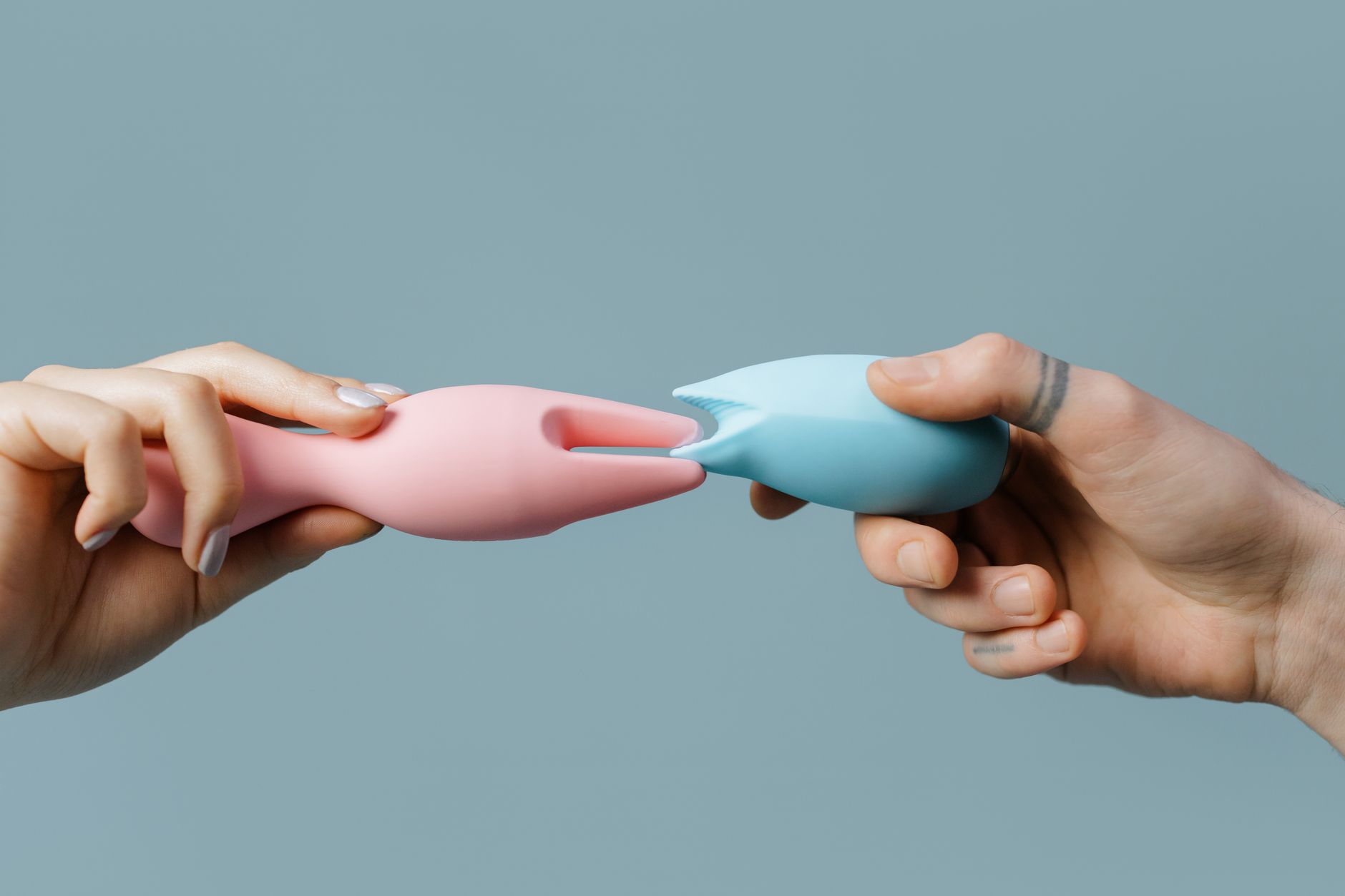
Most vibrators buzz. The Lem works differently. It uses gentle suction pulses that mimic the sensation of oral sex, creating a unique kind of stimulation that builds blood flow without relying on the friction-based intensity that can feel uncomfortable as tissue changes with age.
Here's why that matters: suction pulls blood into the clitoris and holds it there. You're not waiting for blood to rush in and out with each vibration cycle. You're creating sustained engorgement. That engorgement is what produces intensity.
When you use a lemon vibrator on the lowest settings for 5-10 minutes before moving to higher patterns, you're essentially doing cardiovascular work for your clitoris. The tissue engorges. The nerve endings wake up. The sensation deepens.
If orgasm intensity has dimmed, you're not starting from zero. You're starting from recalibration. Here's what I recommend:
Week 1-2: Build sensation awareness. Use a lemon vibrator on pattern 1 or 2 for 10-15 minutes, three times a week. Don't aim for orgasm. Just notice what you're feeling. The goal is to wake up nerve sensitivity without the pressure of performance.
Week 3-4: Increase engagement time. Move to 15-20 minute sessions. You can now progress through patterns 2-4. Start low, build gradually. The longer you maintain steady suction, the more blood flow you're creating.
Week 5+: Layer in pelvic floor engagement. Once you're in a higher pattern and feeling good, start doing subtle pelvic floor contractions. Squeeze gently for 2-3 seconds, release, repeat. You're training those muscles to fire during climax again. This is what creates the intensity.
Most people notice a shift by week 4. By week 6-8, intensity is usually back to something they recognize. And honestly, many people tell me their orgasms feel more nuanced and satisfying than they remember.
Aging isn't just about what changes. It's about the rhythm changing too. Arousal takes longer. Orgasm takes longer to build. That's not a bug. That's actually an opportunity.
When you have more time in your arousal window, you can build more blood flow. When you're not rushing to an orgasm, your nervous system can calibrate to subtler sensations. Some of my clients in their fifties and sixties describe their orgasms as deeper and more resonant than quick, sharp ones they had earlier in life.
The key is not fighting the longer timeline. Using a lemon sucker for 20 minutes instead of 5 isn't extra time. It's better time. You're giving your body what it actually needs now.
As tissue changes with age, lubrication often becomes important even if it wasn't before. Water-based lube isn't a sign something's wrong. It's a tool that makes sensation clearer.
When there's friction or discomfort, your nervous system is focused on pain management, not pleasure. Add lube, and suddenly the full sensation pathway opens up. The clitoris can respond more fully. Orgasm intensity improves because nothing's competing with pleasure for your attention.
I recommend starting with a small amount and adding more if you need it. Some people find that with a lemon clitoral vibrator and good lubrication, they need less vibration intensity because the sensory input is cleaner.
Sometimes orgasm intensity shifts not because of aging itself but because of something happening during midlife. Antidepressants, blood pressure medication, hormone therapy adjustments. Even a thyroid shift can flatten sensation.
If you've been on a medication for a while and orgasm intensity has changed, it's worth a conversation with your doctor. Sometimes a dosage tweak or timing adjustment can help. Sometimes switching to a medication with fewer sexual side effects is possible.
But here's the thing: even if medication is genuinely dulling sensation, a lemon vibrator still helps. The sustained suction and direct clitoral stimulation can often override medication effects in a way that other tools can't.
The goal isn't to recreate the exact orgasm you had at twenty-five. That's probably not even possible or desirable. The goal is to access intensity that feels real and present right now, in your current body.
I've worked with people who were convinced their pleasure was finished, and within 8-12 weeks of consistent use, they were experiencing orgasms that felt deeper and more whole than they remembered. Not because the orgasm itself was physically stronger, but because the sensation was clearer, the engagement was more conscious, and the recovery was better.
Your body isn't broken. It's just asking for a different kind of attention. A lemon vibrator, time, lubrication, and patience can give you back what you thought you'd lost.
The clitoris itself hasn't changed, but almost everything around it has. Blood vessel elasticity decreases, hormone levels shift, and pelvic floor muscle tone softens. These all affect how much blood engorgement happens during arousal and how forcefully the pelvic floor muscles contract during orgasm. It's not the clitoris failing. It's the supporting systems working differently.
Yes, but not in the way you might think. Regular use of a clitoral vibrator does two things: it increases blood flow to genital tissue over time, which supports better engorgement during arousal, and it keeps the pelvic floor muscles engaged and conditioned. That combination does rebuild intensity for most people within 6-8 weeks.
This is deeply personal. For some people, orgasm intensity is central to satisfaction. For others, the intimacy or release matters more than the sensation itself. What matters is honesty with yourself about what you actually want. If you miss intensity, that's valid. If you've made peace with softer orgasms, that's also valid. You get to decide what restoration means for you.
Actually, no. Starting high is uncomfortable and teaches your nervous system to need intensity to feel pleasure. Start low and build gradually. The sustained suction at lower patterns often produces more intensity than aggressive high-pattern use because it creates steady blood flow instead of jolting sensation.
Not necessarily. While hormone therapy helps some people, many find that intensity shifts back through other methods first. Physical conditioning, sustained stimulation, improved blood flow, and pelvic floor work often address it. Hormone therapy is one option, not the only path. Talk to a doctor trained in sexual health if you want to explore it.
Most people can, yes. I've worked with clients in their seventies who regained sensation and intensity they hadn't felt in decades. The timeline might be longer and the approach might need tweaking, but the nervous system's capacity to respond to stimulation doesn't have an expiration date. Consistency matters more than age.