The imbalance nobody talks about at dinner parties
One of you comes in five minutes. The other needs twenty, or doesn't come at all, or comes sometimes but not reliably. And now sex feels less like connection and more like a performance review.
Couples & Intimacy
One of you comes easily. The other waits, performs, fakes it, or gives up. Here's how a clitoral vibrator rebalances the equation without resentment.
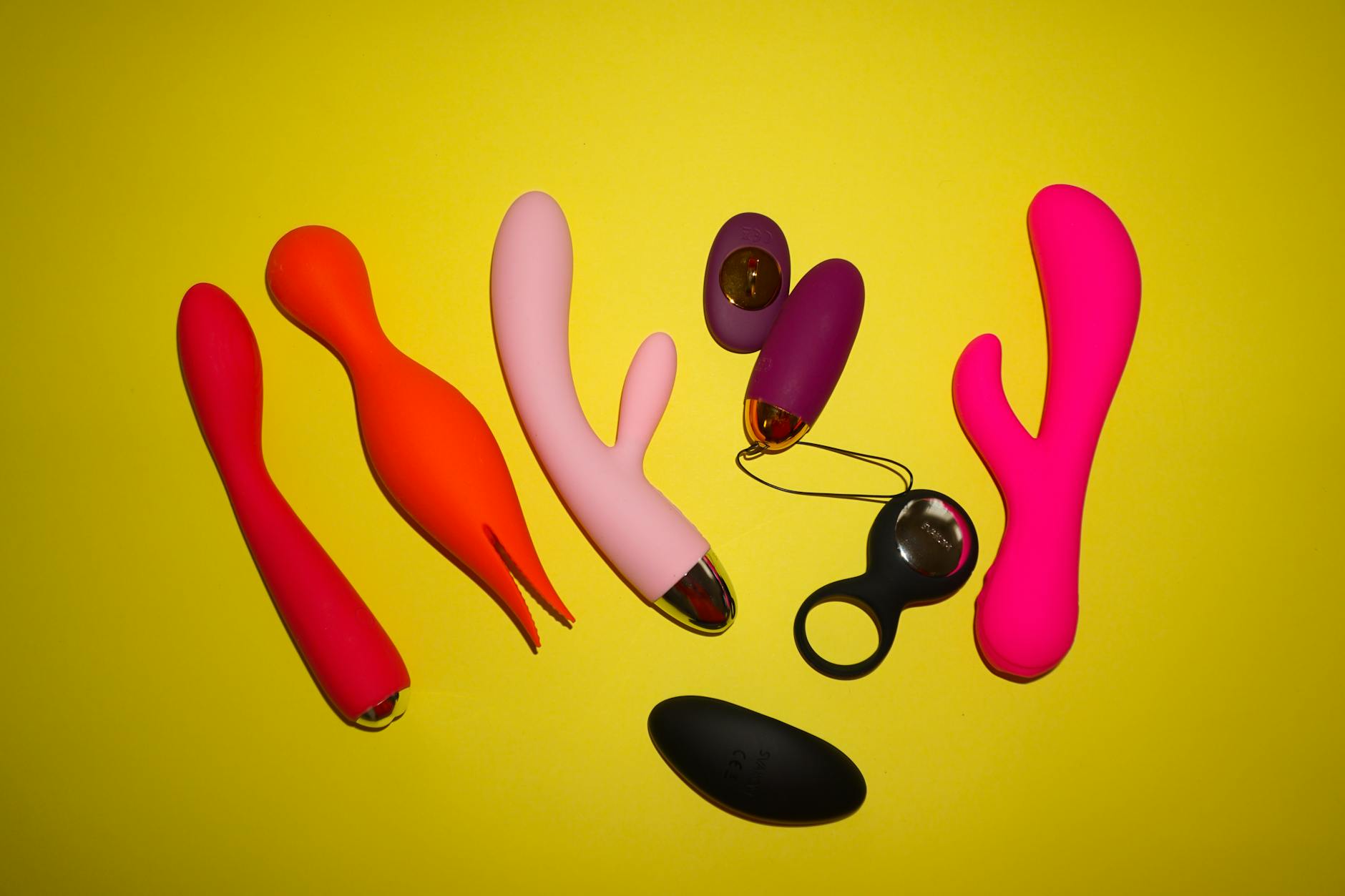
One of you comes in five minutes. The other needs twenty, or doesn't come at all, or comes sometimes but not reliably. And now sex feels less like connection and more like a performance review.
Here's what I see in my practice: pleasure imbalance is one of the top three reasons couples drift apart sexually. It's rarely about attraction. It's almost always about the shame and frustration that builds when one partner consistently reaches orgasm while the other is left waiting, worried they're taking too long, or quietly deciding sex isn't worth the emotional tax.
Orgasm isn't a function of love or desire. It's a function of nervous system response, hormones, pelvic floor strength, mental focus, medication side effects, past trauma, and sometimes just plain neurology. A person with a clitoris needs different stimulation than penetration alone provides. Period. This is basic anatomy, not a character flaw.
Many couples spend years trying to fix this with worse foreplay, more foreplay, different positions, or longer sessions. None of that works because the problem isn't effort. The problem is specificity. If one partner's nervous system needs direct clitoral stimulation to reach orgasm, then wishing, communicating, or performing isn't going to change that.
When pleasure is imbalanced, the person who comes easily often feels guilty ("Am I selfish?"). The person who struggles feels defective ("What's wrong with me?"). Both of you blame technique, attraction, or the relationship itself. You rarely blame what's actually happening: one person's body needs something the other person's body can't consistently provide.
The moment you introduce a lemon clitoral vibrator like the Lem into partnered sex, the entire dynamic shifts. Suddenly, pleasure becomes something you're building together instead of something one person is failing at.
Here's what I mean: instead of penetration (which feels good for one of you) being the main event, clitoral stimulation becomes the collaboration. One of you controls the Lem while the other receives. Or you both touch each other. Or one person holds it while the partner moves. The specific choreography matters less than the fact that now both nervous systems are being directly stimulated toward pleasure.
This isn't about replacing your partner with a toy. It's about your partner using a tool that actually works for your body. There's a massive difference.
If you've never done this before, the conversation matters as much as the toy. Here's what works:
Don't lead with "We need to fix the sex thing." Lead with curiosity. "I've been reading about how clitoral vibrators work with partners, and I'm curious if that's something we'd want to try." Notice: no blame. No "because you never come" or "because I take too long." Just possibility.
If your partner seems resistant, ask what the resistance is. Often it's not about the vibrator. It's about what the vibrator represents. "Does this mean I'm not enough?" "Will you leave me for a toy?" "Am I broken?" Answer these directly. A clitoral vibrator isn't a replacement. It's a translator. It helps your body speak its actual language to your partner.
Start with solo use first if one of you is new to vibrators. Let them get comfortable with how their own body responds without pressure or an audience. Then, when they've had that solo experience, introducing it with a partner feels less vulnerable.
Once you've both agreed, here's how to actually use a lemon clitoral vibrator during partnered sex:
During foreplay. Before penetration, use the Lem on the external clitoris for 5-10 minutes. Build arousal together. This is non-negotiable if one of you struggles with arousal. You're not trying to force an orgasm here. You're just warming up the nervous system.
During penetration. One partner lies inside while the other holds the Lem against the clitoris. This takes the pressure off penetration being the thing that "finishes" someone. It just becomes part of the experience. The person with the vibrator controls the pattern and intensity, so they have agency and can respond to what actually feels good in the moment.
After one person comes. If one partner orgasms first (which happens), instead of rolling over, use the Lem on the other person. Now the person who came can be present and attentive while their partner receives focused stimulation. This flips the script on imbalance. Suddenly the person who normally waits gets the solo attention.
As foreplay without penetration. Some nights, skip penetration entirely. Use the Lem on one person while the other partner uses their hands, mouth, or just watches. This removes the pressure to "finish" through penetration and lets pleasure be purely about clitoral response.
The pattern that works best is the one you actually do. Test different positions, intensities, and timing. What works once might not work the next time. That's normal. Your bodies aren't machines.
Here's what I notice when couples introduce a clitoral vibrator: the shame evaporates. Not immediately, but over a few weeks, the story changes from "something is wrong with our sex" to "we figured something out together."
The person who struggled with orgasm gets to experience what reliable pleasure actually feels like. This matters more than you might think. Many people spend years questioning whether they're capable of coming at all. Having proof that your body works, that you just needed different input, is profound.
The person who came easily gets to see their partner actually enjoy sex, which changes their experience too. Sex becomes mutual. Pleasure becomes collaborative.
You also shift from performance to presence. When one person isn't anxious about "taking too long," they're actually present for their own arousal and sensation. When the other person isn't performing effort, they can notice what they actually want. This is when real intimacy happens.
A vibrator solves the mechanics problem. But if the imbalance came from deeper disconnection, resentment, or mismatched desire, a toy won't fix that alone. If you've drifted so far that sex feels obligatory for one of you, or if there's anger underneath the imbalance, couples therapy is worth considering.
Similarly, if using a vibrator together triggers shame or performance anxiety in either partner, that's information worth exploring with a professional. A vibrator should feel like opening a door, not like pressure.
Clitoral vibrators increase orgasm consistency significantly, especially during partnered sex. Studies show that people with clitorises who use vibrators during partnered activity have higher orgasm rates and report greater sexual satisfaction overall. This isn't magic. It's just that specificity works.
The Lem, specifically, uses air-pulse suction technology that stimulates broadly without the intensity of direct friction. Many couples report that this feels less jarring than traditional vibrators and integrates more naturally into partnered sex. The shape is designed for partnered use. You can hold it together, or one person can guide it while the other partners moves, or you can use it solo. The versatility means you can experiment without buying multiple toys.
Using a lemon vibrator is tactical. But what you're really doing is saying: "Your pleasure matters. My pleasure matters. We matter together. And I'm willing to try something outside the traditional script to make sure we both actually enjoy this."
That conversation is the actual intimacy. The vibrator is just the tool that lets you have it.
Maybe at first. This is why the conversation before matters. The frame is crucial. "This isn't about you not being enough. Your hands and body feel amazing. This is about me learning what my nervous system actually needs. And I want you here with me while I figure that out." Most people feel relieved when the pressure lifts. Your partner probably wants you to enjoy sex too.
Absolutely. The Lem is intuitive. There's no "right" way to use it. Start on a low pattern, explore where it feels good, and adjust from there. Couples who've never used toys often say the Lem feels less clinical than they expected. It's smooth, ergonomic, and designed for partnered use. Solo exploration first makes the partnered introduction way less awkward.
This is actually the most common scenario. Use the Lem on the slower partner first, to build arousal before penetration. Or use it after the faster partner comes, so you both get focused attention. The goal isn't synchronized orgasms. It's ensuring both people actually experience pleasure.
No. It means you're being pragmatic. Attraction and nervous system response are different things. You can be wildly attracted to someone and still need specific stimulation to orgasm. A vibrator is just the vehicle for that specificity.
Lead with desire, not deficit. "I want us both to actually enjoy sex. I've been reading about how couples use clitoral vibrators together, and it sounds like something that might help us reconnect." Avoid framing it as a solution to a problem. Frame it as an experiment in pleasure.
Give them space. Resistance often comes from shame, not rejection. "I'm not trying to pressure you. I just wanted to see if it was something you'd be curious about." Sometimes people need weeks or months to warm up to the idea. That's okay. Let them come to it when they're ready. And if they never are, that's information worth working with, possibly with professional support.