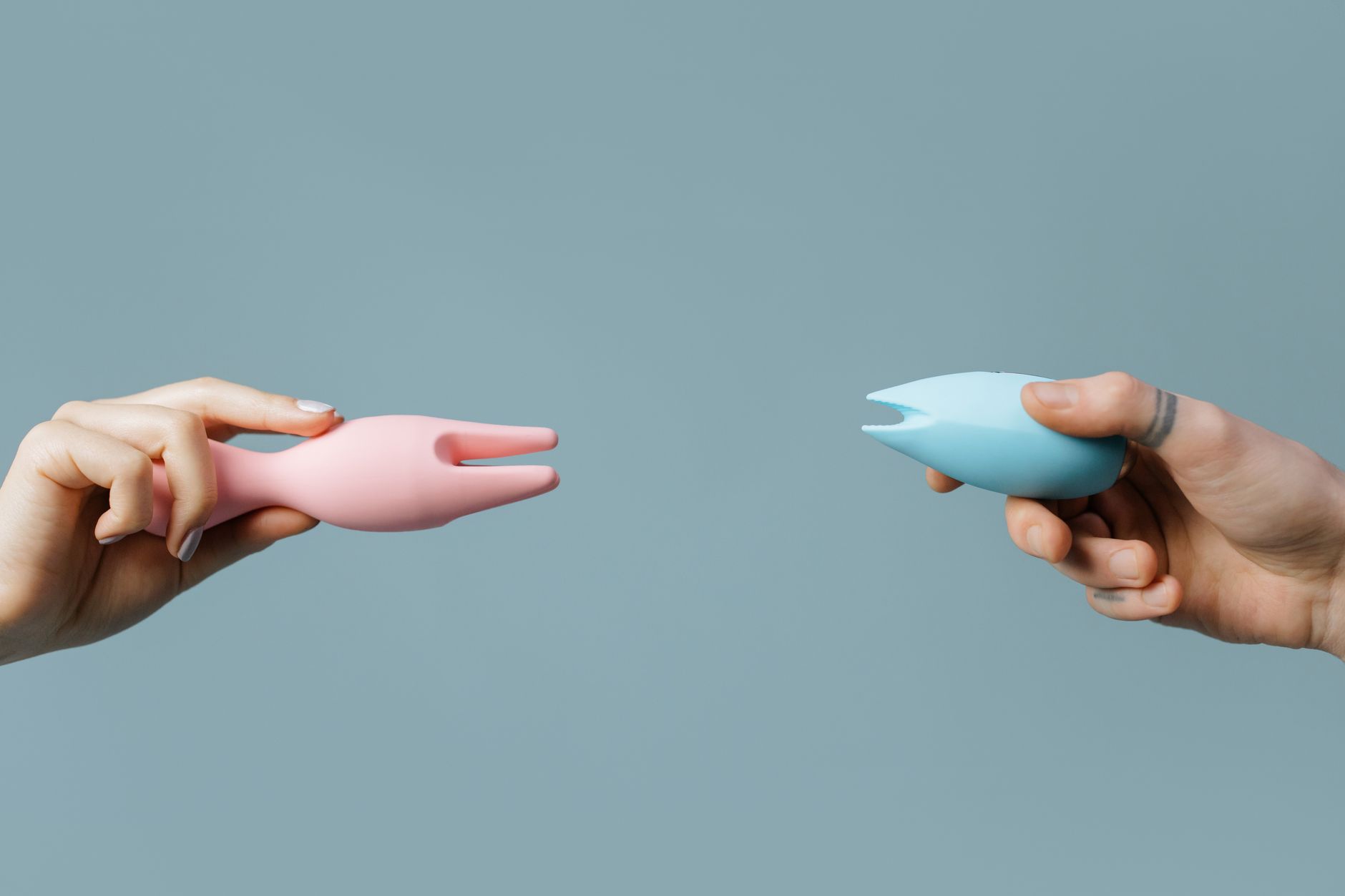
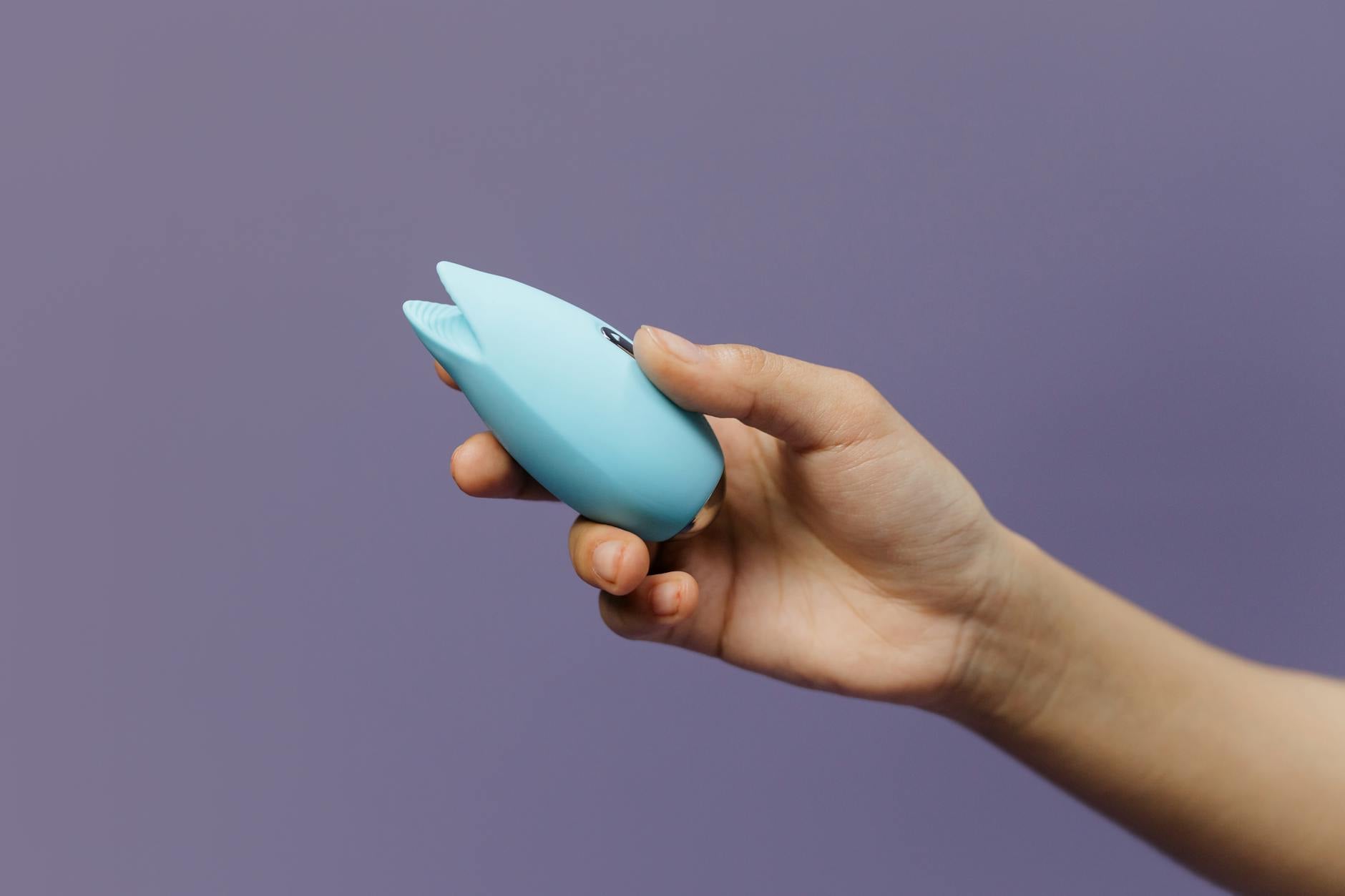
How to Use a Lemon Vibrator When Reconnecting After a Long Relationship Break
Separated for months or years? Your body isn't broken, it's just rusty. Here's how to rebuild sensation, safety, and desire with a lemon sucker at your own speed.
Let's be real. After a long separation, months without touch, or years of a sexless partnership, reconnecting with your own pleasure can feel like learning from scratch. Your body isn't broken. You're not less sexual than you used to be. You're just out of practice, and that's completely normal.
The good news? A lemon vibrator, with its focused suction design, is one of the gentlest ways to rebuild sensation and confidence without pressure or performance anxiety.
This isn't just psychological. Your nervous system has been in conservation mode. The neural pathways that light up during arousal atrophy a little when they're not used. Think of it like a muscle that hasn't been exercised. It works fine, but it needs a warm-up.
There's also the shame piece, and I want to name it directly. Many people feel like they should be "back to normal" within weeks. They're not. Some people carry guilt about having lost time, or anger at their partner, or just bone-deep fatigue. A lemon clitoral vibrator can't fix those emotions, but it can help you prove to yourself that pleasure is still possible. And sometimes that proof is the first domino.
If you're in a relationship and considering reconnecting as a couple, do yourself a favour first: explore alone. This isn't rejection of your partner. It's the opposite. It's an investment in knowing your own body again before bringing someone else into the picture.
Here's why: when you're with a partner, even an attentive one, there's a subconscious tug toward performing. Am I taking too long? Do they look bored? Is this what they want? After a long break, that pressure absolutely kills arousal.
Alone, you can be selfish. You can stop whenever you want. You can restart. You can spend 45 minutes on patterns 1 and 2 and never get to pattern 5. No one cares. This freedom is the whole point.
Start with the lowest setting. Not because you're sensitive, but because you need to rebuild the connection between your nervous system and your genitals. Two things happen when you do this:
First, you're remapping your body's response. After a long gap, you might not even know what you like anymore. That's fine. Let your body tell you.
Second, you're building positive associations with the experience itself. If your first solo session with a lemon sucker is intense and exhausting, you might avoid it. If it's gentle and exploratory, you'll want to come back.
Use water-based lubricant even if you don't think you need it. Your tissues are probably drier than usual from lack of arousal. It makes everything feel better and prevents friction irritation that can scare you away from the process.
Session one: Just feel it. Set aside 20 minutes without distractions. Use pattern 1 for the whole time. Let your body adjust to the sensation. You might not get close to orgasm, and that's fine. The goal is information, not outcome.
Session two: Explore patterns. Spend 2-3 minutes on each setting, starting at 1 and working up. You're looking for what feels good, not what feels intense. Many people return to lower patterns after this. They feel different now that you know what's there.
Session three: Add movement. Instead of staying still, shift position slightly. Move your hips. Change the angle. Your body responds to variation, and right now you need to learn what variation feels like to you.
This is common enough that I want to give it direct attention. You might feel guilty about pleasuring yourself, or your body might feel genuinely numb during early sessions. Both are your nervous system protecting you.
Guild often shows up as a voice saying you should be reconnecting with your partner instead, or that self-pleasure is somehow unfaithful. It's not. It's the opposite. Knowing yourself sexually makes partnership better, not worse.
Numbing is different. If you feel almost nothing even at higher patterns, or if pleasure feels intellectually present (you know it should feel good) but emotionally absent, you might be dealing with dissociation. That's your nervous system in protection mode, and it usually softens with time and consistency. Keep using the lemon vibrator, but also consider talking to a therapist who specializes in sexual health.
You don't need to perform an orgasm or prove anything before involving them. But you should have a few sessions alone first. Four or five is realistic.
When you do come together, tell them explicitly what you're doing. "I'm rebuilding my own pleasure. I'd like you to be present, but I might not climax, and that's okay. I'm learning what I like again." This gives them a role that isn't performance-focused. They can be a witness to your reclamation, which is powerful.
Use the lemon clitoral vibrator together. Some couples start with the receiving partner using it solo while the other person is nearby reading or present. Others move to direct partnered use pretty quickly. There's no timeline. Let comfort guide you.
Most people who've been away from their body for a long time panic that desire is gone entirely. It's usually just quiet. After a few consistent sessions with a lemon vibrator, most people find it coming back. Sometimes slowly. Sometimes in a rush.
If after 4-6 weeks of consistent solo sessions desire is still completely absent, talk to a doctor. It could be hormonal, it could be medication-related, or it could be worth exploring with a sex therapist. But in most cases, the body remembers. You just have to give it permission and time.
This is where I see couples get stuck. They expect that once desire returns, sex will look like it used to. It probably won't, and that's not a failure. You're different people now. You've had years apart. What was hot at 35 might feel stale at 40. That's not loss. That's evolution.
The couple who rebuilds their sexual connection after years apart often has a richer experience than they did before, because they're being intentional about it. They're using tools like a lemon sucker. They're talking about what they want. They're going slow. That's the opposite of settling.
Every body is different, but most people report a shift within 2-4 weeks of consistent use of a lemon vibrator. That doesn't mean orgasm or fireworks. It means you start recognizing pleasure again. Full reconnection with a partner usually takes 2-3 months of patient, pressure-free exploration. Be gentle with yourself if it takes longer.
Yes, actually. Pleasure and grief can coexist. Some people find that rebuilding sensation helps them process the gap. Others need to do emotional work first. Most need both. If grief is severe, working with a therapist alongside physical reconnection helps tremendously.
Completely normal. You've been with yourself, and you know exactly what you like now. Your partner might feel like unfamiliar territory. That's a communication problem, not a relationship problem. Tell them what you learned about your own body. Ask them to go slow. Show them, or let them discover, what settings and patterns feel best. This is actually the foundation of better partnered sex.
Honest conversation, always. "I love you and I want to reconnect. I also need to rebuild my own arousal first. This isn't about you. It's about me proving to myself that pleasure is still possible." Most partners respect that. If they don't, that's a separate issue worth exploring with a couple's therapist.
That depends on your relationship and your comfort level. There's no rule. Some couples find that transparency strengthens their bond. Others prefer privacy during this rebuilding phase. Choose what feels safe and honest for you. If you're keeping it secret because you feel shame, that's worth examining separately.
Yes. Many people in long-term partnerships with low or no sexual contact find that solo exploration with a lemon vibrator helps them remember what pleasure feels like. It often serves as a stepping stone to conversations with their partner about reconnection. Sometimes it helps them decide they need to make bigger relationship changes. Either way, it's data about what you want.
Reconnecting after a break isn't linear. You might have a great session and then feel resistant for a week. You might find that patterns you thought you'd love do nothing for you now. That's all normal. The lemon vibrator is just a tool to help you explore at your own pace, without anyone watching, without pressure to perform.
Your body knows how to feel pleasure. You're just reminding it. That process takes time, gentleness, and the willingness to be curious rather than critical about what you find. Start small, stay consistent, and let yourself surprise yourself.
If you're working through reconnection as a couple and want more guidance on rebuilding emotional intimacy alongside physical reconnection, reach out. I'm here to help.