Your 40s arrive with a lot of uninvited changes. Some are obvious. Some sneak up quietly. One of the quietest is the slow fade in sensation down there. You still want pleasure. Your body just seems to be taking its time finding it.
Honestly? This is so common that I'm more surprised when someone tells me it didn't happen than when they describe the frustration of reduced sensitivity. The good news is that muted sensation at 40-something isn't a malfunction. It's a recalibration. And once you understand why, the fix often involves a single insight: direct touch might not be the answer anymore.
Enter the lemon vibrator. Air-suction technology works differently than traditional vibration, and for bodies experiencing reduced sensation, that difference is everything.
First, hormones shift. Even if you're not in perimenopause or menopause, estrogen and testosterone both decline gradually starting in your late 30s. These hormones aren't just about fertility. They directly affect blood flow to genital tissue, skin thickness, and nerve sensitivity. Less hormone means less blood flow, which means your tissues are getting a gentler signal from touch.
Second, years of the same stimulation create adaptation. Your nerve endings have been receiving the same input for decades. They become less responsive to familiar patterns, the same way you stop noticing background music. This is called sensory habituation, and it's not a problem with you. It's actually a sign your nervous system is working normally.
Third, stress and relationship fatigue dampen arousal. In your 40s, most people are carrying more load. Work, caregiving, aging parents, relationship history. The mental state you bring to sex matters more now than it did at 25. Distraction dulls sensation faster than anything else.
None of this means your clitoris is broken. None of it means you've lost your capacity for orgasm. What it does mean is that the approach that worked at 30 might not land the same way at 42.
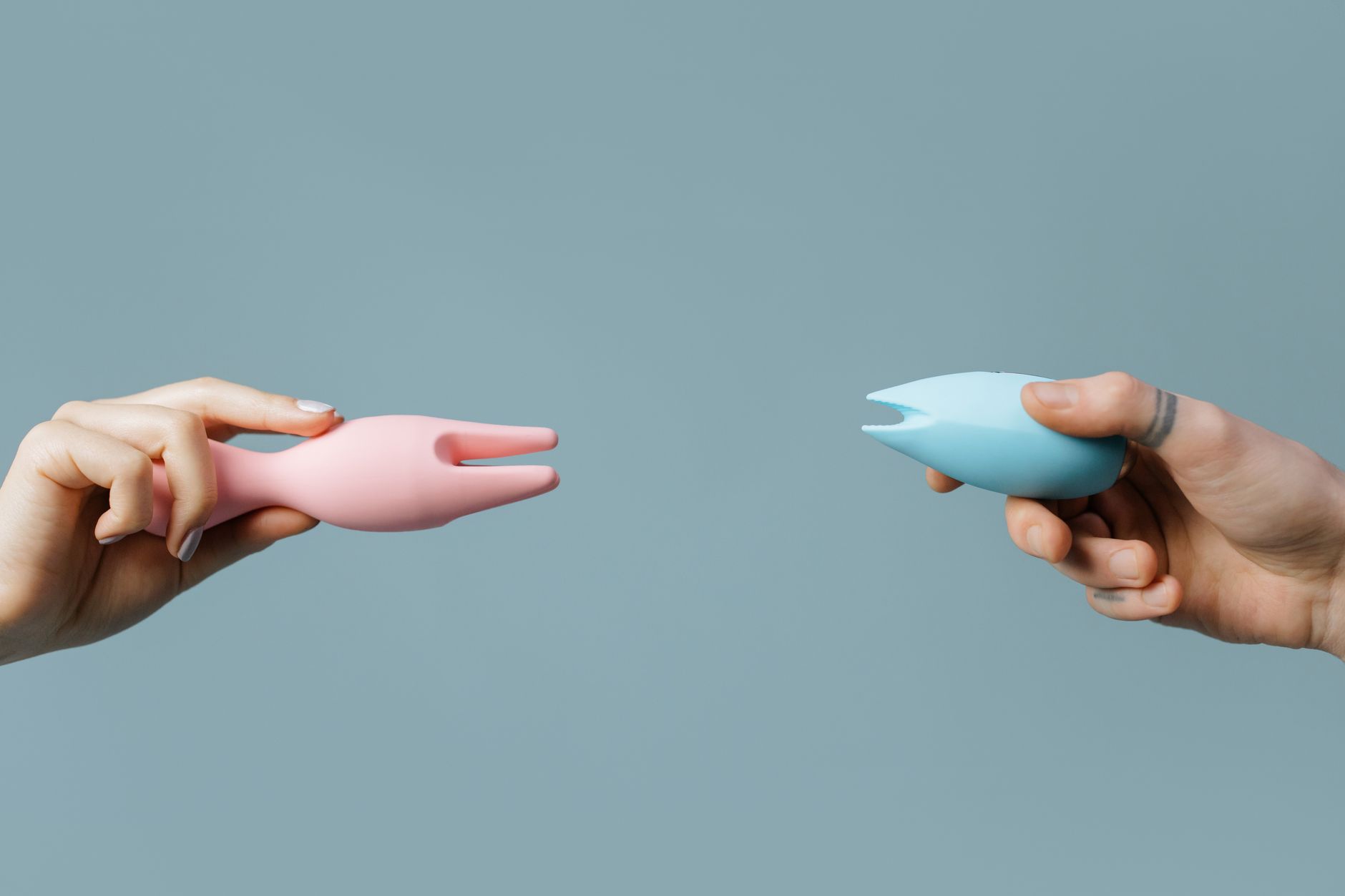
A lemon clitoral vibrator (like the Lem) uses air-pulse suction technology instead of traditional buzzing vibration. Instead of moving back and forth against skin, it gently expands and contracts around the clitoris, creating a suction sensation.
Here's why that matters for reduced sensation. Direct vibration requires nerve endings to fire in response to rapid friction. If those nerve endings have become less responsive, you're fighting against your own physiology. Suction, though, works through a different neural pathway. It triggers deeper pressure receptors and mimics a sensation closer to oral sex.
The result? People with reduced sensitivity often find that suction engages areas that direct vibration completely missed. You're not asking your tired nerve endings to do the same job faster. You're asking them to respond to something new.
This is especially true if direct clitoral touch now feels too intense or numb at the same time (yes, that's possible). Suction lets you control intensity by adjusting the seal and choosing your pattern. You're not stuck with an on-off switch.
Start with extended foreplay. When sensation is muted, 15 minutes of foreplay isn't optional anymore. It's foundational. Your body needs more time to build arousal, and that arousal directly increases blood flow to genital tissue. Arousal literally makes sensation sharper. This isn't psychological. Blood flow changes what your nerve endings can detect.
Use lubrication, always. Water-based lube isn't about making up for dryness alone. It changes the glide and reduces the friction threshold needed for sensation. It makes everything feel softer and more responsive. Your lemon clitoral vibrator works better with lube. Your pleasure works better with it. Non-negotiable.
Start on low and sit with it. Pattern 1 or 2 on a lemon vibrator, positioned at the outer edge of the clitoris rather than directly on the tip. Let your body adjust to the sensation for 5-10 minutes before climbing the intensity. Your nerve endings need permission to wake up. You can't force it.
Position matters more than you think. Most people discover that lying on their back with legs bent slightly open lets them control pressure and angle better than other positions. If you're using a lemon sucker with a partner, they can hold it, which gives you freedom to focus entirely on sensation without the logistics of positioning. That mental space changes everything.
Skip the pressure to orgasm. Here's the conversation-stopper: sometimes when sensation is muted, focusing hard on the orgasm outcome makes it disappear entirely. Your brain gets tense, your pelvic floor tightens, sensation contracts further. The antidote is to spend 20 minutes exploring sensation without an outcome goal. Just lemon vibrator, lube, maybe some music. See what happens when you're not holding your breath waiting for the finish line.
Reduced sensation at 40 often comes with a story. "I'm broken." "My body's giving up on me." "I'm too old for this." That story lands in your nervous system and makes everything tighter and less responsive.
Here's what I tell people: your 40s body isn't less capable of pleasure. It's differently capable. You don't have the hair-trigger sensitivity of a 25-year-old, and honestly, most people's 25-year-old selves didn't know what they were doing with it anyway. What you have now is the possibility of longer, deeper, more sustained pleasure if you're willing to work with your body instead of against it.
If you have a partner, this is worth one conversation outside the bedroom. Not during sex, not in the moment of frustration. A separate, calm moment where you can say: "My sensation has shifted. I want to experiment with new approaches. I want your help." That conversation often transforms everything because it moves you from "something's wrong" to "let's explore."
If your sensation drop happened suddenly or only on one side, mention it to your doctor. Nerve compression or circulation issues can mimic age-related sensitivity loss but need actual medical attention.
If sensation loss comes with pain, that's also worth checking. GSM (genitourinary syndrome of menopause) or other tissue changes can cause the sensation to feel numb and touch to register as irritating. That's treatable, usually with topical creams or other interventions.
If you're on medications that might affect sensation (SSRIs, certain blood pressure meds, antihistamines), talk to your provider about timing or alternatives. Sometimes shifting when you take a medication changes the sexual side effects without sacrificing the benefit.
Here's what I've noticed across years of working with people in their 40s and beyond. Once they find a tool like a lemon clitoral vibrator that actually works with their body instead of against it, something shifts. Pleasure stops feeling like a memory and starts feeling like a current possibility.
That shift often spills into other areas. Confidence with a partner increases. Desire climbs because you know you can actually reach pleasure reliably. Your relationship to your own body softens because you're not fighting it anymore.
A lemon sucker (like the Lem) doesn't fix anything because nothing is broken. It just meets your body where it actually is in your 40s and says: "Okay, let's work with this."
That's the whole thing. Your sensation didn't disappear. It evolved. And once you have the right tool and the right approach, pleasure in your 40s can be richer and more intentional than anything that came before.
A lemon vibrator uses air-pulse suction technology, which stimulates through pressure and expansion rather than vibration alone. For reduced sensation, suction engages different nerve pathways than direct friction. Most people with muted sensation find suction more effective because it doesn't rely on the same vibration-responsive nerve endings that may have adapted to traditional vibration. The lem vibrator lets you adjust intensity and pattern more finely, which matters when you're recalibrating what works.
No. Reduced sensation doesn't equal lost capacity. It means the pathway to orgasm might look different. Some people find their orgasms are slower to build but actually more intense once they arrive. Others find that when they use the right tool (like a lemon clitoral vibrator), sensation sharpens and orgasms return to a familiar rhythm. The variable isn't your body. It's whether you're using an approach that matches your current physiology.
Yes. Water-based lube changes how a lemon vibrator feels against your skin. It reduces friction, makes sensation smoother, and often makes suction work more effectively because the seal is better. Silicone lube can damage some toy materials, so stick with water-based. Your comfort and sensation matter more than trying to go "natural."
It depends on what changed your sensation and whether you're addressing the root cause (stress, hormones, medication). Some people feel a difference in sensation within a few uses of the right lemon vibrator. Others need a few weeks of consistent exploration before they notice pleasure returning. If you've been avoiding touch due to frustration or pain, rebuilding can take longer because your nervous system needs to reset its expectations. Patience here actually speeds things up.
Absolutely. Partner involvement can actually help. When your partner holds the lemon clitoral vibrator, you get to focus entirely on sensation without the logistics of positioning. You also get the bonding that comes from shared exploration. The conversation before matters more than during. Make it clear you're experimenting together because your body has changed and you want to discover what works now.
Not necessarily. Some sensation loss from hormonal shifts can be partially recovered through HRT or topical treatments if that's something you choose. Some adaptation can be reversed by changing your approach (which is what a lemon vibrator does). Some is just the normal progression of your body, and that's okay. The good news is that "permanent" doesn't mean "permanent loss of pleasure." It means working with your body's current reality instead of chasing its past one.