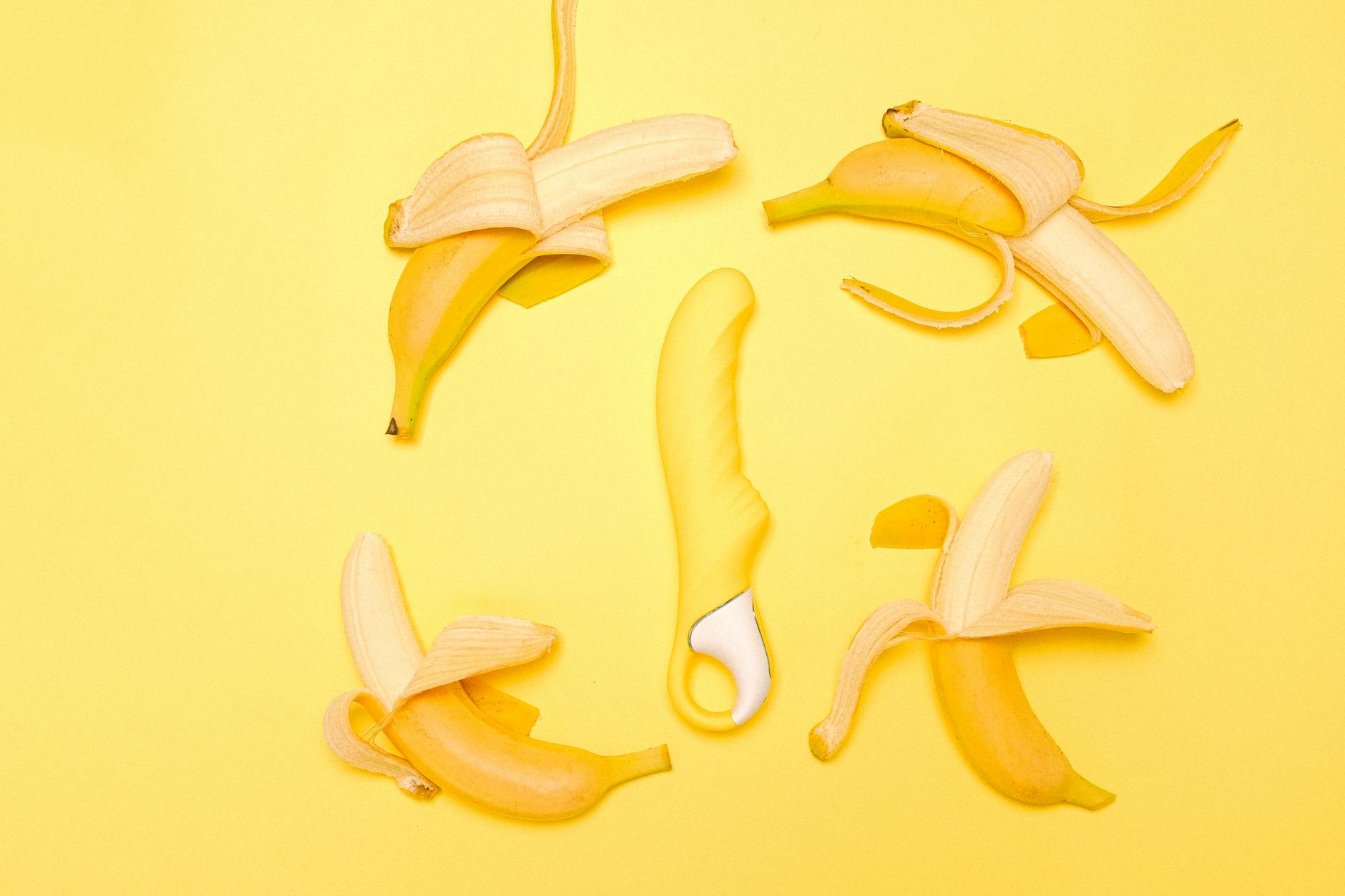
Hormones shift. Tissue changes. Your body's wiring for arousal rewires itself. And then something unexpected happens: many women find their most satisfying sexual experiences arrive in their 50s, 60s, and beyond. Not despite the changes. Because of them.
The trick is knowing how to work with your body instead of against it. A lemon clitoral vibrator is one of the most effective tools for that recalibration because suction-based stimulation adapts to hormonal shifts in ways traditional vibration just can't.
After 50, estrogen drops significantly. This affects tissue thickness around the vulva, clitoral sensitivity, and how quickly arousal builds. Some people experience what feels like numbness at first. Others notice orgasms take longer to arrive. The pelvic floor loses elasticity. Blood flow patterns change.
But here's the part they skip in most articles: your clitoral nerve density doesn't change. Your brain's pleasure pathways don't disappear. What changes is the mechanical response, not the capacity.
That's why lemon vibrators and suction-based clitoral stimulation become so valuable. They bypass some of the tissue-thickness issues that make direct vibration feel uncomfortable or ineffective, and they work with the body's slower arousal timeline instead of fighting it.
Traditional vibration relies on the clitoris having enough surface tissue to respond to that mechanical buzz. After hormonal changes, tissue is thinner. Direct vibration can feel too intense, numbing, or even painful.
Suction works differently. Instead of pounding at tissue, it creates a gentle vacuum that stimulates nerve endings from below the surface. This means:
Less direct friction on delicate tissue
Deeper nerve stimulation that bypasses surface sensitivity changes
More sustained pleasure because suction engages more nerves at once
Easier to control intensity by choosing suction patterns rather than vibration speed
A lemon clitoral vibrator's suction patterns feel gentler and more natural than aggressive vibration for many women post-50. It's not a hack. It's designed for the exact tissue changes you're experiencing.
Using a lemon vibrator after 50 isn't complicated, but a few shifts make a massive difference.
Start with lower intensity. The Lem offers multiple suction patterns, and most women in this stage prefer starting with patterns 1 or 2. Your tissue is more sensitive to pressure changes, not less. This matters. Jumping to pattern 4 or 5 can feel jarring or numb out sensation rather than amplifying it.
Expect arousal to take time. Forget the 5-minute warm-up. Budget 20 to 30 minutes for your whole experience. Your body's arousal response is slower now, and that's not broken. It's just different. Use that time for touch, attention, fantasies, or partner connection before the lemon vibrator even enters the picture.
Use plenty of lubricant. Water-based lube becomes non-negotiable after hormonal shifts. Your body produces less natural lubrication, and the suction action of the lemon vibrator works even better when there's a light layer of lube between the toy and your skin. It reduces any friction and helps the seal.
Experiment with positioning. After 50, direct pressure straight on the clitoris sometimes feels less effective than slight angles. Try tilting the lemon vibrator slightly, or moving it in small circles rather than holding it directly in place. You're learning your body's new geography, and that exploration is part of the pleasure.
Orgasms often feel different after 50. They might come slower. They might feel less explosive and more diffuse. Some people experience longer buildup time followed by multiple small peaks instead of one big one.
This is not worse. It's different. And many women say the plateau feels better than the peak ever did.
The lemon vibrator adapts to this because suction-based stimulation creates a sustained, building sensation rather than the quick spike-and-crash of vibration. You're not chasing one moment of release. You're building sustained pleasure over time. That's a gift of aging, honestly.
If vaginal dryness is severe, topical estrogen therapy (a cream applied directly to the vulva) works remarkably well and has minimal systemic absorption. It's not a Band-Aid for toy use. It's actual treatment for genitourinary syndrome of menopause (GSM), a real medical condition that responds quickly to care.
If pain appears during use, don't push through. Talk to a healthcare provider. Pain isn't normal, even after 50, and it's usually fixable with the right approach.
If arousal hasn't returned after hormonal transitions settle (usually 6 to 12 months post-menopause), consider talking to your doctor about testosterone or DHEA therapy. Low desire is common, but it's also often treatable.
Hormonal changes often arrive wrapped up with other life shifts. Empty nests. Career pressure. Aging parents. Relationship renegotiation. Grief. The temptation is to blame your body for lost desire, when often the issue is that you're carrying too much stress, too much invisible labor, or too much disconnection.
Use the lemon vibrator as permission to slow down. To notice what actually turns you on now, separate from what turned you on at 30. To prioritize your own pleasure without justification. That reclamation is half the magic.
Let's be direct: you're not past your sexual prime at 50. You're entering a different one. The body changes, yes. The capacity for pleasure doesn't shrink. It often deepens. A lemon clitoral vibrator meets you exactly where your aging body is and works with your nervous system rather than against it. That's why so many women find their most satisfying experiences arrive after hormonal shifts finally settle. You've learned yourself. You've stopped performing. You know what actually feels good.
All a lemon vibrator does is amplify that knowledge.
Yes, and often it's gentler than other options. Vaginal atrophy (thinning tissue from low estrogen) responds well to suction-based stimulation because it doesn't require thick tissue to work. That said, if penetration is uncomfortable or painful, stick to external clitoral stimulation with the Lem. If atrophy is severe, talk to your doctor about topical estrogen first. Once tissue recovers slightly, the lemon vibrator becomes even more effective.
Yes. HRT increases blood flow to the vulva and slightly increases tissue thickness, which can make vibration feel more intense and pleasure more accessible overall. Some women find they need less lube or can use higher intensity settings on the lemon vibrator once HRT kicks in. But the suction-based approach still often feels better than traditional vibration, even on HRT.
There's no timer on pleasure. Most women in this stage report that 25 to 40 minutes feels right. The first 15 to 20 minutes might be gentle touch and connection. The remaining time is where the lemon vibrator does its work. You're not racing to orgasm. You're building sustained sensation. That pace is actually ideal for this stage of life.
Completely normal. Thinner tissue means the clitoris has less cushion, so intense stimulation sometimes feels numb instead of pleasurable. This is exactly why lowering intensity (starting at pattern 1 or 2) works better for most women post-50. You're not broken. Your body is just asking for a gentler approach, which the lemon vibrator handles beautifully.
Desire and physical sensation are connected but separate. If you have zero interest in pleasure, that's worth discussing with a healthcare provider. Low libido post-50 can indicate thyroid issues, depression, relationship strain, or low testosterone. The lemon vibrator isn't a cure for absent desire. But once you address what's driving that absence (therapy, hormone check, relationship work), the vibrator becomes a bridge back to pleasure.
Communicate the timeline upfront. Let them know you need 20 to 30 minutes of connection before the toy even arrives. That's not a weakness. It's your reality now. Many couples find that longer warm-up time actually deepens their connection. The lemon vibrator becomes the finale, not the main event. That shift often improves intimacy overall.
Your body after 50 isn't less capable of pleasure. It's differently capable. A lemon clitoral vibrator meets that difference with grace. Slow down. Use more lube. Start low. Notice what actually feels good right now, not what used to feel good. That's where the best stuff lives.