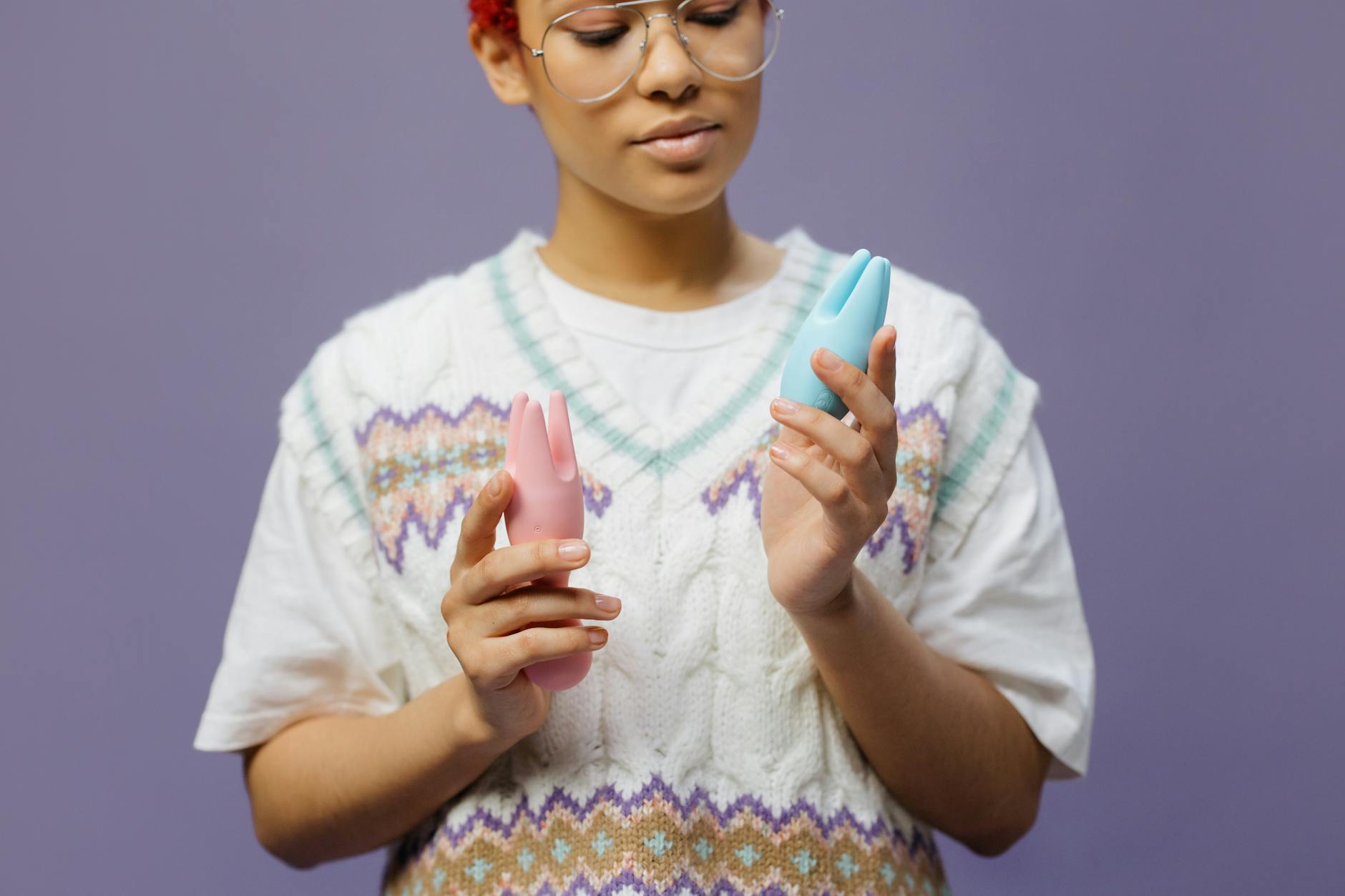
How Lemon Vibrators Adapt to Hormonal Shifts Outside Menopause
Thyroid problems, PCOS, and medication side effects rewire pleasure faster than you'd expect. Here's what changes and how to recalibrate your lemon clitoral vibrator for what your body needs right now.
Here's the thing nobody talks about openly: your pleasure response changes every time your hormones shift, and it happens way more often than once in a lifetime. Thyroid dysfunction, polycystic ovary syndrome (PCOS), depression medication, blood pressure pills, even hypothyroidism can quietly rewire how your body responds to stimulation.
Most of us assume our lemon vibrator should work the same way it did last year. It shouldn't have to. And when it doesn't, we blame ourselves instead of asking what actually changed biologically.
Your thyroid controls your metabolism, energy, and blood flow. When it's underactive (hypothyroidism), everything slows down. Your clitoral tissue gets less blood, arousal takes longer to build, and what used to feel like a quick climb to orgasm now requires patience and a different approach.
Hyperthyroidism does the opposite. Too much thyroid hormone speeds everything up, makes tissue more sensitive, and can turn mild stimulation into uncomfortable intensity. The same lemon vibrator setting you loved three months ago might now feel aggressive.
What makes this tricky: thyroid levels change slowly. You don't wake up one day broken. You gradually notice that higher intensity settings feel harsh, or that you need longer warm-up time, and by then you've already blamed your partner, your stress, or your body.
If you've recently been diagnosed with thyroid issues or adjusted your medication, give yourself six to eight weeks before concluding anything is permanently different. Once your dose stabilizes, your pleasure response often stabilizes too.
Polycystic ovary syndrome throws androgens (hormones like testosterone) out of balance. Some people with PCOS have higher androgen levels, which typically increases desire. Others have insulin resistance that reduces blood flow to genital tissue, which reduces sensation.
The frustrating part: you can have PCOS and still experience either pattern. Your lemon clitoral vibrator might feel perfect one cycle and too gentle the next. This is why many of my clients with PCOS find success starting at a moderate setting and letting sensation build, rather than jumping straight to maximum suction.
Anti-androgen medication, often prescribed for PCOS, can also dampen pleasure response. If you've just started spironolactone or birth control pills with anti-androgen effects, expect a two to three month adjustment period where your body recalibrates.
Serotonin reuptake inhibitors (SSRIs) are phenomenally helpful for anxiety and depression. They also dampen arousal and orgasm for about 40 percent of people who take them. That's not a personal failure. That's pharmacology.
The same applies to certain blood pressure medications, which reduce genital blood flow by design. If you've recently started any new medication and notice pleasure feels muted or harder to access, ask your doctor before you assume it's emotional.
Some solutions: timing intercourse around your medication schedule (some SSRIs have a better window), switching to a different class of medication, or using tools like the lemon sucker specifically because suction-based stimulation can sometimes bypass some medication-related dampening more effectively than vibration alone.
Many people with PCOS, thyroid issues, or metabolic syndrome develop insulin resistance. High insulin reduces nitric oxide production, which your body needs to dilate blood vessels and increase genital blood flow.
The practical upshot: if you have insulin resistance, you might genuinely need longer foreplay and more intentional warm-up. This isn't laziness or lost desire. Your cardiovascular system is working harder to deliver blood to genital tissue. That's biology, not a character flaw.
A lemon vibrator helps here because suction creates localized pressure changes that encourage blood flow without relying entirely on your cardiovascular system to deliver it.
Start lower than you think you need. When hormone levels change, tissue sensitivity shifts too. What felt perfect last month might feel irritating now. Begin at setting 1 or 2 on your lemon vibrator and spend five to ten minutes letting sensation build before increasing intensity.
Budget extra warm-up time. If arousal used to take five minutes and now it takes twenty, that's not a plateau. That's a hormonal reality. Extend your foreplay window and work with it instead of fighting it.
Add lubricant even if you didn't need it before. Hormonal shifts affect vaginal moisture and tissue thickness. Water-based lube is your friend when anything changes hormonally. It's not a sign something is wrong. It's a tool that helps your lemon clitoral vibrator work with your body, not against it.
Track patterns over weeks, not days. Hormonal fluctuations aren't always linear. You might feel responsive one day and numb the next. Give yourself at least four weeks of consistent practice before deciding something needs to change.
If pleasure becomes completely absent and it coincides with starting new medication, that's worth mentioning to whoever prescribed it. Often there are alternatives with fewer sexual side effects.
If you've recently been diagnosed with PCOS, thyroid issues, or another hormonal condition, ask your doctor specifically how it might affect arousal and sensation. Most doctors won't volunteer this information, but they'll answer if you ask.
If you're noticing pleasure changes and also noticing fatigue, weight shifts, mood changes, or irregular cycles, that could signal thyroid dysfunction or other hormonal changes worth investigating. Pleasure response is often the earliest signal that something hormonal has shifted.
Your body isn't broken when hormones shift. It's adapting. That adaptation might mean your lemon vibrator feels different, your arousal timeline changes, or your favorite setting suddenly feels too intense.
Instead of seeing that as loss, try seeing it as information. Your body is telling you something changed. That's useful. That's actually the system working exactly as it should.
Most of the people I work with who've navigated hormonal shifts report that once they stopped fighting the new reality and started adjusting their approach, pleasure actually deepened. You know more about your body. You're less goal-oriented about reaching orgasm. You're more curious about what feels good right now.
Absolutely. Birth control suppresses testosterone and estrogen fluctuations. In the first three months, your genital tissue thickness, lubrication, and arousal timeline can all shift noticeably. Some people feel less sensation with hormonal birth control. Others feel more comfortable because they're not cycling through hormonal peaks and valleys. If you've just started the pill, give yourself at least three months before assuming your pleasure response has permanently changed. It probably hasn't. It's just recalibrating.
Desensitization happens from repeated use of the same intensity level over months. Hormone-related numbness appears suddenly or gradually over weeks and often comes with other physical changes like fatigue, mood shifts, or cycle irregularities. If you've been using your lemon clitoral vibrator the same way for years and suddenly it feels different, that's likely hormonal, not device fatigue. If you've been increasing intensity every session for months and now you need even more to feel anything, that's desensitization. The fix for desensitization is taking a break. The fix for hormonal shifts is adjusting your settings and timeline.
No, but it can temporarily. Hormonal birth control that suppresses testosterone can reduce baseline desire and arousal speed, usually within the first three months. This often stabilizes by month four or five as your body adjusts. Some people choose different birth control because of this. Others adjust their approach (more foreplay, different settings) and find pleasure returns. It's not permanent, but it is real while you're adjusting.
Your testosterone peaks around ovulation, which increases genital sensitivity and blood flow. Right before your period, estrogen drops and tissue becomes less elastic. If you cycle hormonally, your ideal lemon vibrator settings probably shift week to week. Tracking when certain settings feel best can help you anticipate what your body needs. This is normal and not a sign something is wrong with your device.
No. Thyroid medication helps your thyroid function return to normal, which means your pleasure response should recalibrate back toward baseline within six to eight weeks of finding the right dose. It's not permanent. But it does require patience while you're adjusting. If you're on thyroid medication and still noticing numbness after three months at a stable dose, that's worth discussing with your doctor.
There's no one "PCOS setting." Some people with PCOS need lower intensity and longer warm-up time. Others experience higher desire and prefer maximum intensity. Start with moderate settings and adjust based on what feels good right now, not what worked before your PCOS diagnosis. Hormonal birth control often prescribed for PCOS will also shift your ideal settings, so give yourself patience while your body adjusts to medication.
Your hormones are constantly changing. Your pleasure response changes with them. That's not failure. That's your body providing real-time feedback about what it needs. Learning to listen to that feedback and adjust your approach with tools like a lemon clitoral vibrator is what separates frustration from genuine adaptation.
If you're navigating hormonal shifts and want to explore what works for your body right now, we're here to help. Reach out to our team anytime.