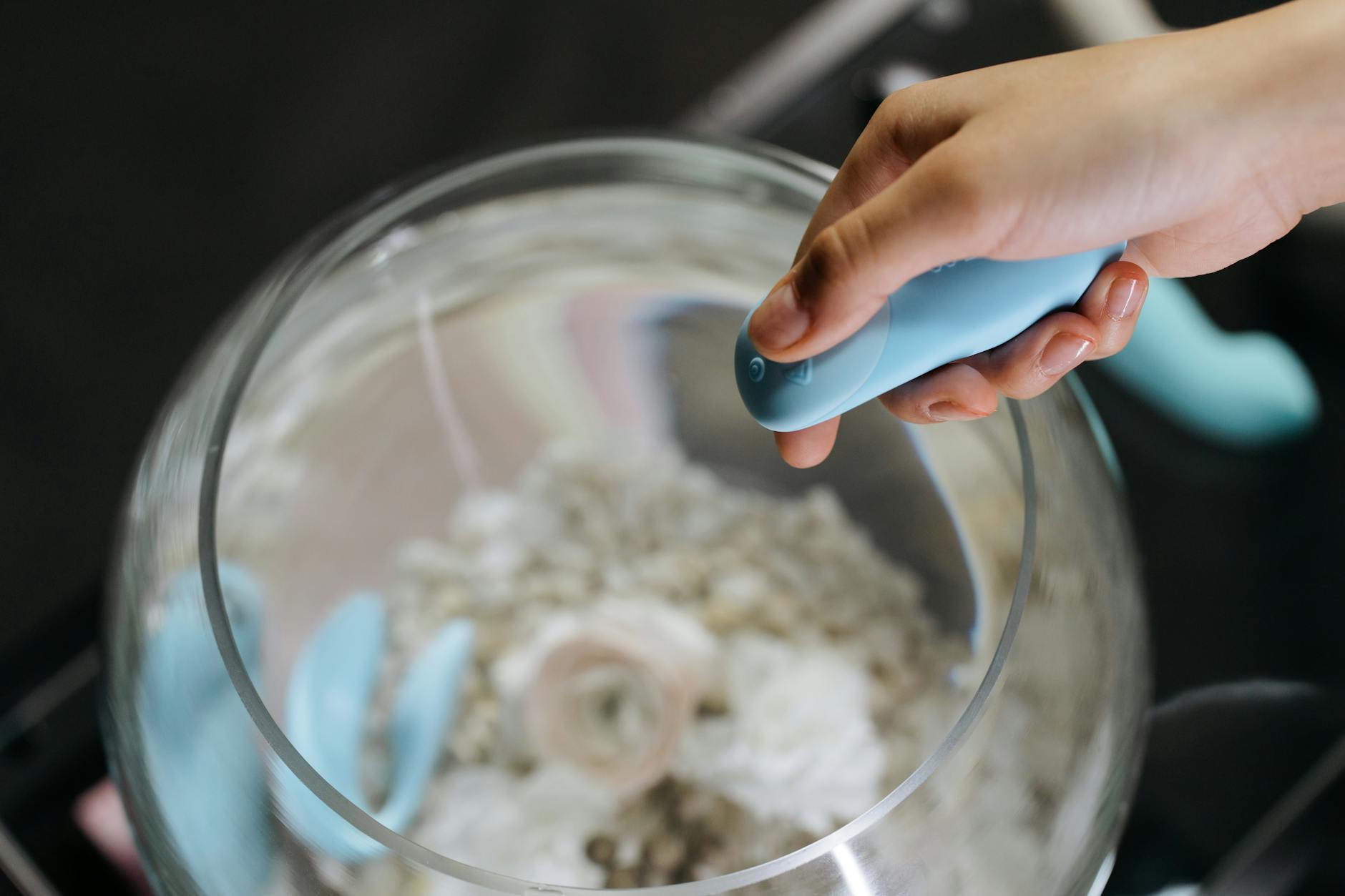
How to Use a Lemon Vibrator After Sexual Trauma or Abuse Recovery
Rebuilding pleasure at your own pace. A trauma-informed approach to solo exploration with a clitoral vibrator, plus what safety and consent really mean when you're healing.
Let's be real. If you're reading this, you've probably spent some time believing your body doesn't belong to you anymore. That it's been marked, crossed off, or locked away. Using a lemon clitoral vibrator after sexual trauma isn't about "getting back to normal." Normal was interrupted. What you're actually doing is building something new. Something where you get to decide what happens.
After trauma, the clitoral vibrator becomes a tool of autonomy, not intimacy in the partnership sense. You control the intensity. You set the pace. You stop whenever you need to. The suction-based design of a lemon vibrator means you're not experiencing direct friction or pressure that can feel intrusive. Instead, you get a rhythmic, gentle stimulation that many trauma survivors describe as "less demanding" than vibration alone.
There's also psychological safety built in. A toy doesn't have expectations. It won't push you further than you're ready. It won't confuse your boundaries. With a partner, even a well-meaning one, there's always ambient negotiation happening. With the Lem, it's just you and your autonomy.
That's not a replacement for partnered sex later. It's a foundation.
This is the part most guides skip. You might not be ready to use the lemon vibrator on your body yet. That's completely normal. Before you do, try this:
Hold it. Wash your hands, take it out of the box, and just hold it for ten minutes while you breathe. Notice the weight. The texture. Let your nervous system get used to the object without any expectation of use. This is called titration in trauma work. You're introducing a stimulus slowly enough that your body doesn't perceive it as a threat.
Next session, maybe you hold it while your clothes are on. Fully clothed, no pressure to do anything. Then clothed but outside your clothing, near your body but not touching. Then touching your arm or collarbone. Somewhere neutral.
This sounds slow. It is. And it works because your nervous system learns: this object is safe, I'm in control, nothing happens that I don't initiate.
When you're ready to use the lemon vibrator on your vulva, start at the lowest setting. Pattern 1. No exceptions. If the lowest setting feels overwhelming, that's information. It means your nervous system is still in protective mode, and that's okay.
Set a timer for three minutes. Not because you need to reach orgasm in three minutes, but because time-boxing helps your brain feel safe. You're not open-ended. You're bounded. You can say "I'll try for three minutes and if I want to stop, I stop."
If three minutes feels tolerable, next time try five. If five minutes feels okay, maybe experiment with pattern 2 for one minute within that five-minute window. The goal is not pleasure yet. The goal is your nervous system learning that your body can experience sensation without danger.
Many trauma survivors report that pleasure doesn't arrive for several weeks of this pacing. And that's exactly right. Your brain needs evidence of safety before it will allow dopamine and oxytocin to flow. Rushing this process usually backfires.
Dissociation during solo play after trauma is common and not a failure. It means your nervous system hit a wall and checked out as a protective measure. The second you notice you've left your body, stop immediately.
Don't feel guilty. Don't push through. Stop, take the lemon vibrator off, put it down, and spend five minutes grounding yourself. Cold water on your wrists. Naming five things you can see. Deep breathing. Solid ground under your feet. Then leave it for today.
Next time, you'll know the boundary. You'll slow down earlier.
Dissociation is actually valuable data. It tells you where your nervous system's edge is right now. That edge will move over time, but only if you respect it.
After trauma, using a water-based lubricant serves two functions. Physiologically, it reduces friction and sensation intensity. Psychologically, it's a ritual. You're preparing your body with intention. You're saying: I'm creating conditions where my body feels good.
Apply lubricant before you touch the lemon vibrator to your body. Not because you're broken or wrong, but because you're being intentional about reducing any potential discomfort. This small act of preparation sends a message to your nervous system: I'm taking care of myself.
Orgasm after trauma can be complicated. Some people feel profound relief. Some people feel guilt. Some people feel angry. Some people feel nothing and that's fine too.
If pleasure starts arriving and it feels wrong or scary, that's often called "pleasure guilt" and it's a completely normal trauma response. Your brain learned that your body wasn't safe, and now sensation feels suspect. This usually resolves over months of gentle, repeated evidence that pleasure can happen without danger.
If arousal arrives quickly and intensely, and it scares you, that's also normal. You're relearning that your body can want things. That can feel shocking after trauma taught you that your body's wants don't matter.
If you have a partner, their job during this phase is radical non-involvement. Not emotionally unavailable. But they don't watch. They don't ask for updates. They don't make suggestions about techniques. They hold space by holding back.
What they can do: ask if you want to talk after. Remind you that they respect your timeline. Show up for the relationship in other ways. Let this particular journey be yours.
Many couples find that when the trauma survivor has rebuilt solo pleasure safely, partnered intimacy follows more naturally. You've already proven to your nervous system that your body can feel good. Now you're choosing to explore that with someone else.
If after four to six weeks of gentle pacing you're still experiencing intense flashbacks, panic responses, or complete numbness, a trauma-informed therapist is worth seeking. This isn't a reflection on the lemon vibrator or on you. It means your nervous system needs support beyond what solo exploration can provide.
A good trauma therapist will help you understand what your body is telling you and give you tools to gradually expand your window of tolerance. Solo pleasure can resume once you have those tools.
Recovery isn't linear. You might have weeks where using the lemon vibrator feels easy and weeks where touching it feels impossible. That's not backsliding. That's healing, which is nonlinear by nature.
Your job is to stay curious. To notice what your body needs on any given day. To practice saying no without guilt. To practice saying yes without shame. The vibrator is just the vehicle. The real work is learning to trust yourself again.